Telenovelas like “El Internado Laguna Negra,” Spanish for “The Black Lagoon Boarding School,” largely features white Latin American actors. (Antena 3 screenshot)
East Africa loves its soap operas. But as residents soak up the drama that unfolds week to week on their screens, they’re not seeing themselves reflected.
That’s because, NPR reported, most of the shows are produced in Latin America and dubbed in local languages. So, despite the successful Kenyan series, “Lies That Bind,” Black skin doesn’t usually show up in lead roles.
“Everybody aspires to be rich,” said Pascal Koroso to NPR as to why East Africans are hooked. His company, Dubbing Africa, uses multilingual voice artists to re-record dialogue for movies and shows.
“Everybody aspires to move into the middle class,” he said. “So, these sorts of stories resonate in terms of people seeing [a lifestyle] that is possible for them. The themes are things that Africans identify with a lot. You know, the corrupt politician who rigged an election, your marriage is having a rough time.”
“Lies That Bind” producer Dorothy Ghettuba grew up watching the Mexican telenovela “Rosa Salvaje” — Spanish for “Wild Rose” — which featured passing white actors. She said the interaction between country and city cultures left its mark on her fellow Kenyan viewers.
“A girl comes from the village and she gets a job as a nanny or housemaid in a big mansion. … She’s pretty, and the father of the house sees her,” she said of a plot line.
But representation matters and all too often, Black African faces don’t show up onscreen aside from secondary characters who play the help. Latina social media influencer Kat Lazo explored the influence of colorism in telenovelas in a We Are Mitú video, saying a Google search of the top telenovela stars “lean a little more on the European side.”
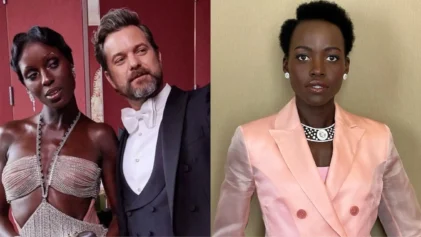
The impact of seeing only white faces can be harmful to Black Africans’ self-confidence, as Oscar-wining actress Lupita Nyong’o said in 2014.
“I, too, felt unbeautiful,” Nyong’o, who was raised in Kenya, said. “I put on the TV and only saw pale skin. I got teased and taunted about my night-shaded skin. And my one prayer to God, the miracle worker, was that I would wake up lighter-skinned.”
Now, such wishes may start to dwindle as the popularity of telenovelas and soap operas continues to grow among Black Africans.
In recent years, African countries have begun entering the industry, according to The Africa Report. Such locally produced programs have included Zimbabwe’s “Small House Saga,” which was about extramarital affairs, and Uganda’s “The Hostel,” which focuses on the drama that follows students in a hostel. The hope is that the trend of shows in African languages will grow beyond a niche market.