 Discrimination Was Rampant
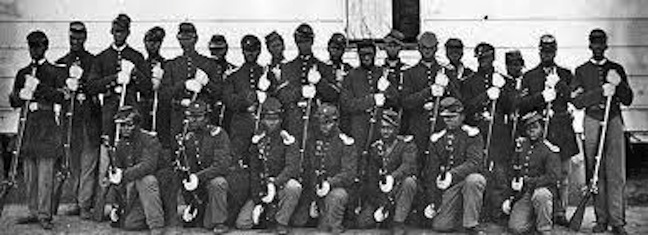
Despite all they provided, the Black troops faced greater risk at injury or death than white troops when captured by the Confederate Army. In 1863, the Confederate Congress threatened to punish severely officers of Black troops and to enslave Black soldiers, according to the National Archives. As a result, President Lincoln issued General Order 233, threatening reprisal on Confederate prisoners of war for any mistreatment of Black troops. Still, Black captives were typically treated more harshly than white captives. In perhaps the most heinous known example of abuse, Confederate soldiers shot to death Black Union soldiers captured at the Fort Pillow, Tennessee, engagement of 1864. Confederate Gen. Nathan B. Forrest witnessed the massacre and did nothing to stop it.
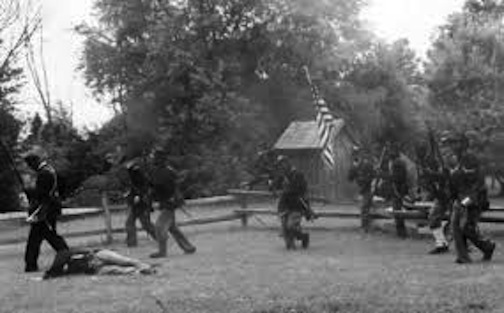 Had to Prove Their Worth
In July 1862, the 1st Kansas Colored Volunteers changed the perception that Blacks did not want to fight. The Union victory at Island Mound in October that year was the first engagement of African-American soldiers, during which the 1st Kansas proved their mettle as soldiers, according to americancivilwar.com. Cases of African-American units’ essential involvements abound throughout Civil War history, in nearly every major battle except Sherman’s invasion of Georgia.