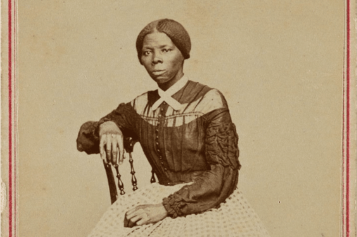
10 Facts About Enslaved Africans in the Civil War They Don’t Teach in School

The Lincoln administration struggled with the idea of authorizing the recruitment of Black troops, concerned that such a move would spark the border states to secede. On July 17, 1862, Congress passed the Second Confiscation and Militia Act, freeing the enslaved who had plantation owners in the Confederate Army. Two days later, slavery was abolished in the territories of the United States. The National Archives breaks down how enslaved Africans impacted the Civil War.
 

CWTIVol46No8Robert E. Lee Made Fighting Possible

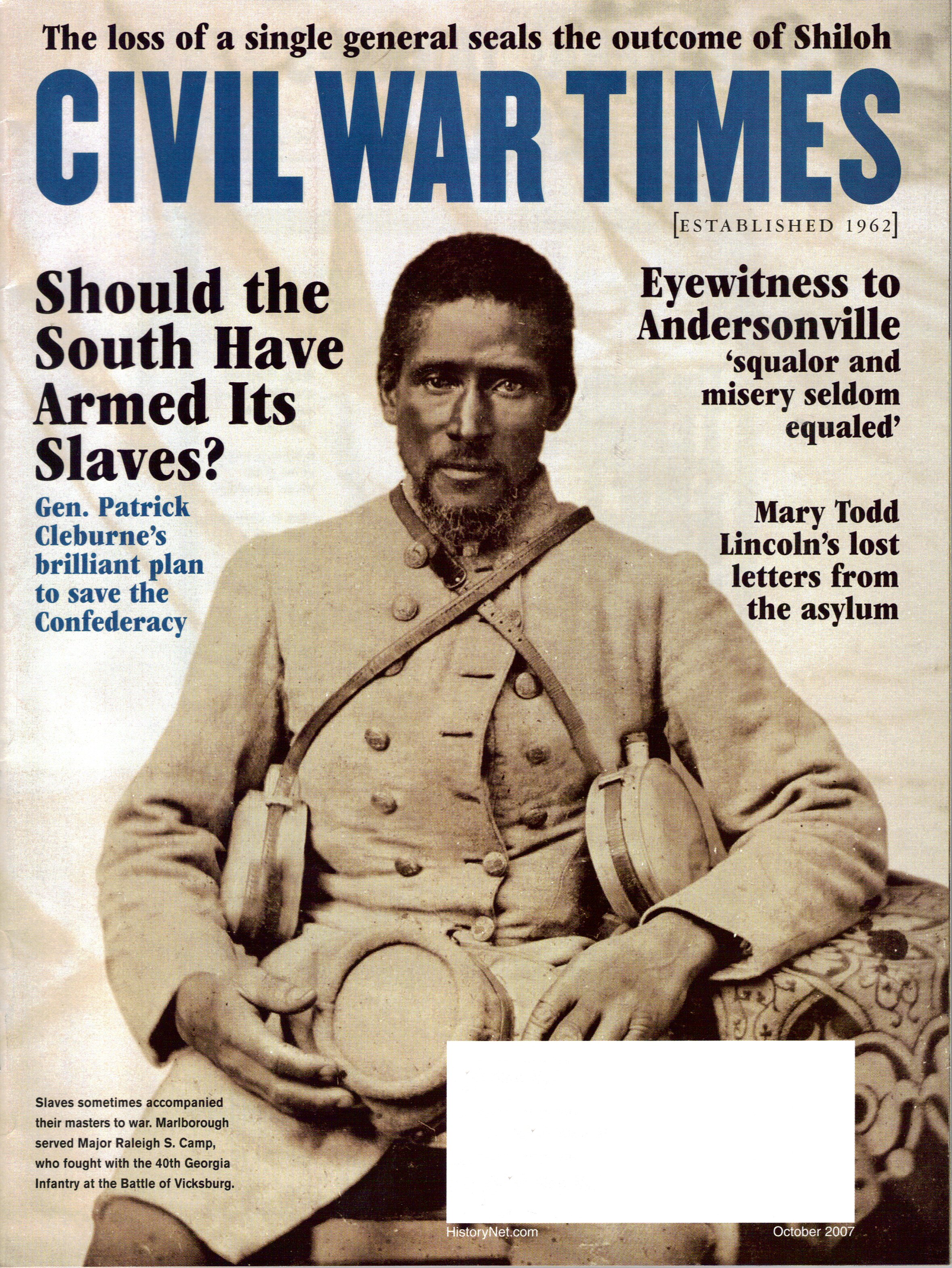
Gen. Robert E. Lee was a beloved figure in the South, and it took him, through virtually pleading, to convince the Confederate Congress to begin enlisting Black soldiers. The legislation required the consent of the plantation owner and would confer the rights of a freeman after the war, says history.net. Yet a month after the order came out, Virginia was able to muster no more than 50 enlistees.
 

HD_4USCinfantryDetail.previewMany Black Men Served

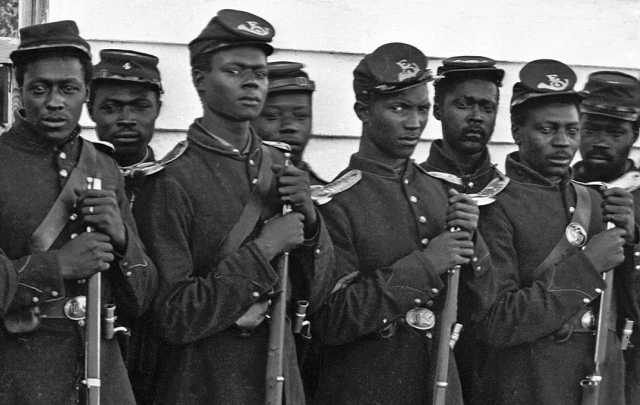
About 179,000 Black men (10 percent of the Union Army) served as soldiers in the U.S. Army and another 19,000 served in the Navy. Black soldiers’ impact was varied, according to civilwar.org. They not only fought but served in artillery and infantry and performed all noncombat support functions that sustain an army, as well. And there were nearly 80 Black commissioned officers.
Still independent.

We hope this story was worth your time. For over 14 years, Atlanta Black Star has stayed Black-owned and independently run. We didn't get here by waiting on ad budgets that were never built to prioritize us. Our readers did that.

Corporate support for Black media has always been thin. Outlets like ours get roughly 1% of the $170 billion spent on U.S. advertising each year, and that margin is shrinking further as advertisers walk back the DEI-linked commitments they made in 2020. That's the backdrop. It's not why we're asking.

The wider picture isn't any steadier. Newspaper ad revenue has fallen more than 80% since 2005, and local newsrooms are closing at a rate of roughly two a week nationwide. When outlets go under, it's rarely the ones built to center a Black perspective from the ground up that get to stick around.

We know a request for support isn't why you came here. But without readers choosing to fund this work directly, the depth of reporting we can do at home and abroad shrinks along with everyone else's. If you're not in a position to give, that doesn't change how much we value you as a reader.

If you are able to, a recurring contribution does more for us than a single one-time gift, because it lets us plan the next investigation instead of just the next invoice. It takes about 30 seconds, no long form, no account. Thank you for continuing to support independent journalism and freedom of the press.

Back to top