Public Transportation
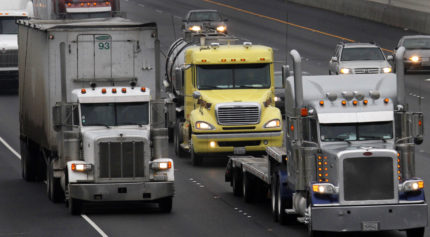
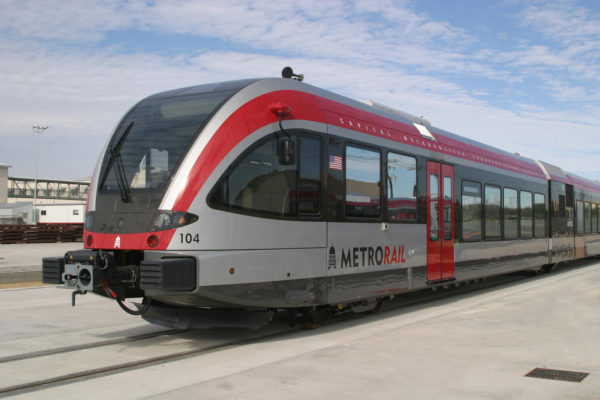
Public transit is used at a higher rate by Black people and low-income communities than whites. While there are environmental and economic benefits to public transit, there have been complaints made by transit justice activists in cities around the country recently about fare hikes, service cuts and lack of responsiveness to customer complaints. In addition, many public transit systems still use diesel vehicles, which emit carbon particulate matter and nitrogen oxides that develop into smog and contribute to asthma and other health problems.

Food Deserts
Black people are more likely to live in “food deserts” — areas where communities lack access to supermarkets and other sources of affordable, nutritious foods necessary for maintaining a healthy diet. Food deserts play a major role in poor health and environmental degradation. A study by the U.S. Department of Agriculture found that 2.3 million Americans live more than one mile from a supermarket and do not have access to a vehicle. The report also notes that communities of color and lower-income communities are often affected, as “urban core areas with limited food access are characterized by higher levels of racial segregation and greater income inequality.” It is not uncommon to go into these communities and the only food outlets found are fast food restaurants and convenience stores stocked with products that are highly processed and genetically modified, both characteristics that contribute to poor health and environmental degradation. Food deserts have been a major contributor to obesity and other related health problems in these communities.