Mercury Exposure
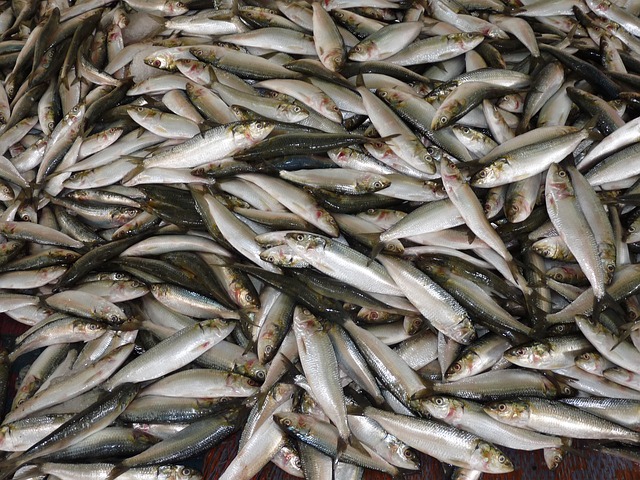
Fish is an important source of animal proteins and other nutrients, but it can also contain a high percentage of mercury emissions generally from incinerators, coal-burning power plants and other industrial sites, which can have a devastating effect on Black communities. Over one-third of all mercury pollution in the country comes from these sites. Since Blacks are more likely to live near industrial sites and eat more fish than whites, they are more likely to have higher levels of mercury exposure. Mercury consumption can increase the risk of Sudden Infant Death Syndrome (SIDS), learning disabilities in children and other respiratory problems.

Water Safety
Water is considered a fundamental human right, but many communities of color lack safe drinking water, swim near waste-contaminated beaches and live near polluted flood waters. In addition, larger numbers of Blacks live in urban areas, where city water systems are more likely to be fluoridated than in suburban and rural water systems. Studies show that fluoridation chemicals can cause increased blood lead levels, premature births, learning disabilities and tooth discoloration in children. Poor water quality is also connected to higher rates of complications related to kidney failure and diabetes among Blacks.