Shehu Usman dan Fodio (1754–1817)
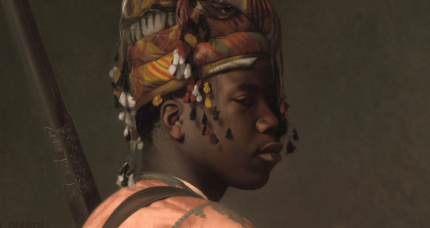
Shehu Usman dan Fodio was a Fulani religious teacher, writer and Islamic promoter and the founder of the Sokoto Caliphate in the Hausa States in what is today northern Nigeria. He wrote more than 100 books concerning religion, government, culture and society. He also encouraged literacy and scholarship, for women as well as men, and several of his daughters emerged as scholars and writers.
Ibrahim Abd al-Rahman (1762 – 1829)
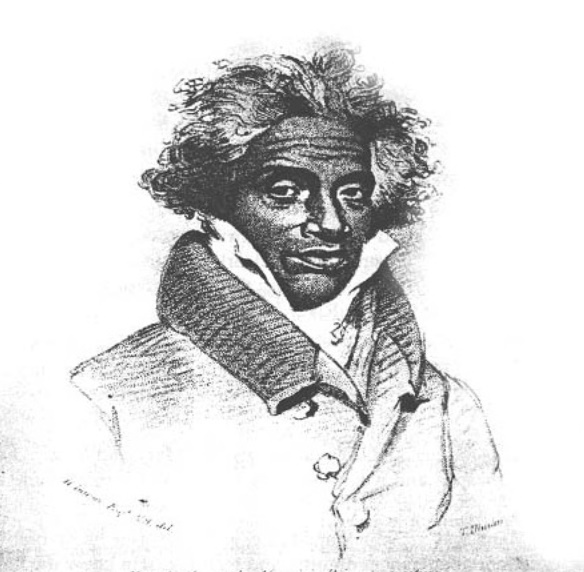
Ibrahim Abd al-Rahman was born a prince in present-day Guinea, West Africa, and trained in the Islamic sciences, studying in the famous scholarly center of Timbuktu, Ibrahim was enslaved in his 20s by the British and ended up in New Orleans in the Americas. After working to obtain his freedom from slavery for 40 years, he was released by the order of U.S. President John Quincy Adams after the Sultan of Morocco –Mulay Abd al-Rahman ibn Hisham – had requested his release. He returned to Africa and died there.

Nana Asma’u (1793–1864)
In addition to being the daughter of the great Usmān dan Fodīo, she was an important poet, writer, historian, educator and religious scholar in her own right. As an ardent advocate of the participation of women in society and as a result of her broad-based campaign to empower and educate women, she was one of the most influential women in West Africa in the 19th century.
Muhammad Ahmad bin Abd Allah (Aug. 12, 1844 – June 22, 1885)
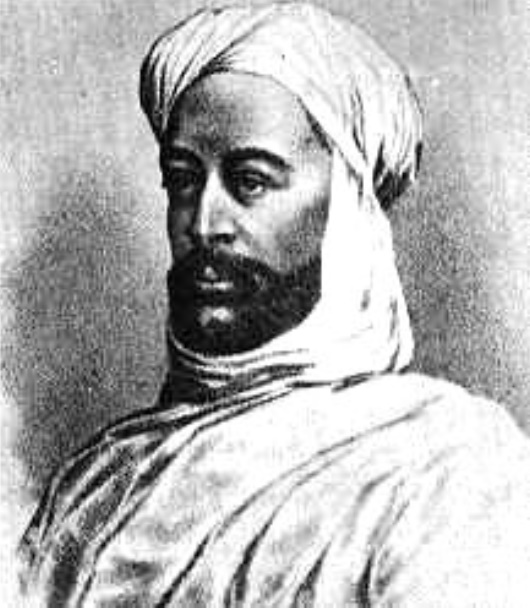
Muhammad Ahmad was a Sudanese reformist, mystic, revolutionary and anti-colonial leader who led a major rebellion against the Turco-Egyptian and British forces in Sudan and managed to establish a large state in most of the country. The success of his rebellion made him one of the most renowned anti-colonial leaders of the 19th century.