Elijah Muhammad (Oct. 7, 1897 – Feb. 25, 1975)
Elijah Muhammad was an African-American religious leader who led the Nation of Islam (NOI) from 1934 until his death in 1975. Working to achieve the NOI goal of improving the spiritual, mental, social and economic condition of African-Americans in the United States, Muhammad’s impact is still felt today.

Malcolm X (1925–1965)
Malcolm X, also known as El-Hajj Malik El-Shabazz, was an African-American Muslim revolutionary, public speaker and civil rights activist. As a prominent figure in the Nation of Islam, Malcolm X articulated concepts of race pride and Black nationalism in the 1950s and ’60s and continues to exercise a huge influence on Black people until this day.
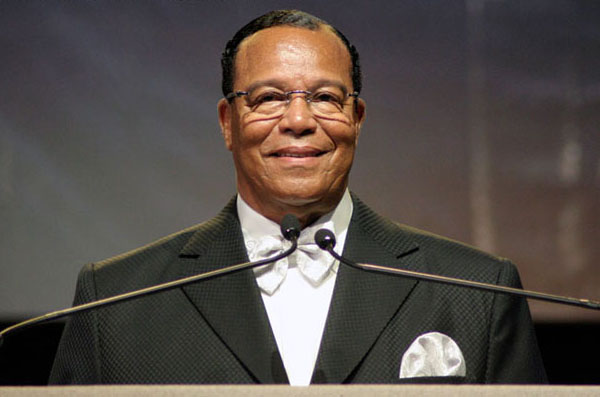
Louis Farrakhan Muhammad Sr. (b. May 11, 1933)
He is a religious and social leader and currently heads up the NOI. He’s known for his outspoken and articulate rhetorical style, reviving the NOI in the 1980s, and organizing and leading the Million Man March in October 1995 in Washington, D.C., calling on Black men to renew their commitments to their families and communities.
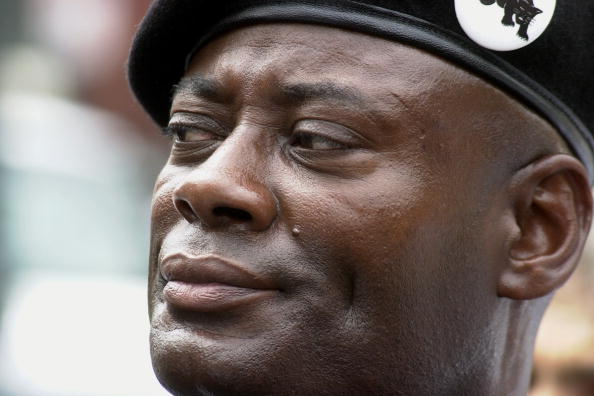
Khalid Abdul Muhammad (Jan. 12, 1948 – Feb. 17, 2001)
Khalid Muhammad was an outspoken African-American activist who came to prominence as the national assistant to Louis Farrakhan of the Nation of Islam (NOI). Despite the controversy that followed him, his strong denunciations of white power and his calls for Black self-empowerment gained him the support of many in the Black community.