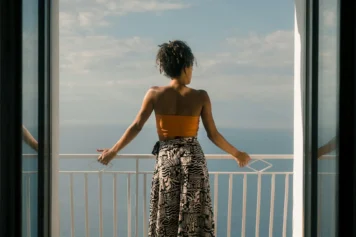
It’s not by chance that Brazilians and foreigners alike call it the Marvelous City. Rio de Janeiro’s very name evokes fun, fashion, desire, danger. The names of neighborhoods like Copacabana and Ipanema are synonymous with sensuality.
This is a town about breathtaking natural scenery, revealing dress habits and (need we say it?) quite the knack for celebration.
It’s also in the middle of a massive comeback. Brazil’s capital city until 1960, Rio later fell prey to neglect, and a housing and jobs shortage that left one in five of its residents living in favelas, or shantytowns. Today, with huge oil and gas finds in its coastal waters, the area is rapidly becoming the country’s energy capital, attracting businesses from shipbuilding to high-tech research, with investments (and property prices) shooting up faster than in any other state.
Notorious favelas like Rocinha and Cidade de Deus—where the electrifying 2002 film “City of God” was set—are becoming less hazardous.
Deep pockets aren’t needed to experience the city’s sultry flavor. The beaches are unforgettable, from Ipanema, where the “beautiful people” traditionally congregate in their fashionable swimsuits, to rowdy Copacabana and Barra da Tijuca, a surfer’s paradise. In the street markets the aroma of mangos and star-shaped carambola fruit jostles with the pungent smell of fresh seafood. And while Rio’s architecture can seem a mad jumble, gems include the nearby Niterói Contemporary Art Museum and Lapa Arches, an old aqueduct that stretches above a colonial area of the city.
It will never be like São Paulo, its cooler southern sister—and maybe that’s for the better. Rio is distinctly wilder; the city sweats exuberance and verve, verging on boiling point in the summer. The music gets louder and the barbecues ever-longer as the sun gets hotter.
Read more: WSJ