In a historic decision, the U.S. Army has set aside the convictions of 110 Black soldiers who were court-martialed for their role in the 1917 Houston riots, a dark chapter in U.S. history marked by racial tensions, the pervasive impact of Jim Crow, and the country’s entanglement in World War I.
Secretary of the Army Christine Wormuth announced the move on Monday, saying she posthumously setting aside the convictions of members of the 3rd Battalion, 24th Infantry Regiment — a segregated unit that is widely known today as the Buffalo Soldiers.
In a statement, Wormuth praised her military branch’s decision to overturn the convictions while acknowledging the soldiers were mistreated and denied fair trials because of their race, according to a statement from the Army Public Affairs office.
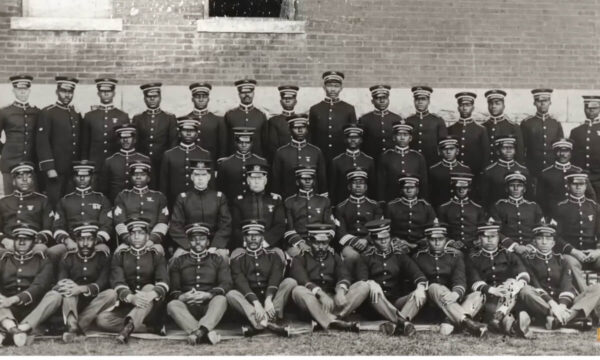
As a result, the convictions were ordered nullified and honorable discharges granted to the men, marking a major step forward in addressing longstanding racial injustices within the nation’s military.
“After a thorough review, the board has found that these soldiers were wrongly treated because of their race and were not given fair trials,” Wormuth said. “By setting aside their convictions and granting honorable discharges, the Army is acknowledging past mistakes and setting the record straight.”
The decision comes more than a century after the riot on Aug. 23, 1917, which left 19 dead just four months after President Woodrow Wilson asked Congress to declare war on Germany, which mobilized U.S. troops in support of the Allied nations during the endgame of the global conflict.
Violence erupted after months of provocations by local police against the Black unit, culminating in the arrest of two Black soldiers who were brutally assaulted by local police.
In response, more than a hundred Buffalo Soldiers armed themselves and marched on the city, sparking bloodshed as Black citizens already faced strain due to constant clashes with peace officers who sought to enforce Jim Crow and its segregationist aims.
On Monday, Gabe Camarillo, the Under Secretary of the Army, expressed pride in restoring honor to the soldiers and their families.
“As a Texas native, I was grateful to participate in this process early in my tenure at Fort Sam Houston National Cemetery in San Antonio,” Camarillo said. “We cannot change the past; however, this decision provides the Army and the American people an opportunity to learn from this difficult moment in our history.”
The corrective action by the Army comes after petitions from retired Army officials and advocacy groups paved the way to one of the military’s most historic reversals.
The trial of the Buffalo Soldiers was plagued by numerous legal irregularities, as noted by historians and government officials, resulting in the largest mass execution of American soldiers by the U.S. Army, with 13 Black troops hanged at once. Six more were executed later, and all were put to death without due process.
Decades later, Wormuth ordered military investigators to take a closer look at the court-martial records as part of a comprehensive internal review that uncovered substantial flaws in the trial proceedings, prompting the Army Board for Correction of Military Records to recommend setting aside all 110 convictions in the case.
Deputy Assistant Secretary of the Army Michael Mahoney, who oversaw the review, characterized the trial as a “miscarriage of justice.”
“With the support of our experts, our dedicated Board members looked at each record carefully and came up with our best advice to Army leaders to correct a miscarriage of justice,” Mahoney said, according to the Army. “We’re proud of the hard work we did to make things right in this case.”
The Department of Veterans Affairs played an integral role as the process to correct a painful history unfolded, with the agency agreeing to assist surviving family members, who should receive notices from the government in the coming months, the Army said. Relatives might also be eligible to receive benefits as the military seeks to heal old wounds and provide a measure of recognition and closure.


