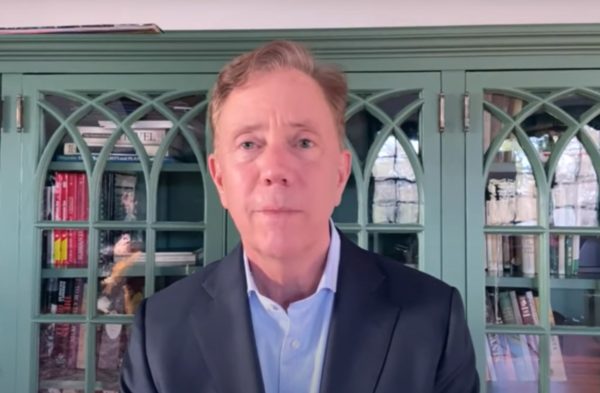
On Wednesday, Dec. 9, Connecticut Governor Ned Lamont announced the state will be the first in the nation to require courses on Black and Latino studies.
The requirement stems from a law signed in 2019 by Lamont, requiring schools to offer elective courses that provide students with “a better understanding of the African-American, Black, Puerto Rican, and Latino contributions to United States history, society, economy, and culture,” according to a press release.
The Connecticut State Board of Education unanimously approved the curriculum for the course last week, which was the last step for the requirement to be implemented.
The elective course must be offered by schools by Fall 2022, and students won’t be required to take it. About 27 percent of Connecticut’s students identify as Hispanic or Latino, while 13 percent identify as Black.
“Increasing the diversity of what we teach is critical to providing students with a better understanding of who we are as a society and where we are going,” Lamont said. “Adding this course in our high schools will be an enormous benefit not only to our Black and Latino students, but to students of all backgrounds because everyone can benefit from these studies.”
The development process was guided by a 150-member team of educators, administrators, higher education professors and scholars.
Tamara Gloster, Norwich assistant superintendent of schools, applauded the new requirement.
“It’s great to see … a standard practice as opposed to relying on teachers’ enthusiasm and passion for exposing children to Black and Latino studies,” she said.
The new two-pronged curriculum will focus on content knowledge and student identity development.
“What we want to do is provide that opportunity for all students to learn about the contributions of Latinos and African Americans in a way that they see that they do add to the fabric of our country,” said Connecticut Education Commissioner Miguel Cardona.
Cardona praised the students and legislators who advocated for the law to be passed and “contributed to and drove us to this historic moment.”


