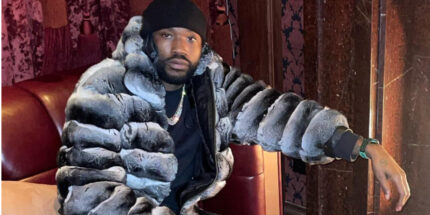
Meek Mill is calling out record companies on a practice they’ve been doing for years and something that seems to be just as old as the music industry itself.
First, a lower-income kid, from either the inner-city or a rural area, makes a piece of music that a record label believes it can profit from.
Then someone from the label offers that young artist money to buy the publishing, which makes it legal for the company to profit from that music for the life of the contract. And many times, the artist doesn’t get a cent of the future revenues, depending on the language.
Plus, in a lot of cases, the artist will be offered a multiple-album deal for a small percentage of the royalties. And he or she will only get those royalties after the label recoups whatever it spent to launch their project.
And often the artist is so down on their financial luck that he or she will take that horrible deal just to have some money in their pocket.
It’s something that Meek Mill said is not only wrong for labels to do, it’s slave-like.
Over the summer, it was announced that Mill partnered with Jay-Z‘s company Roc Nation to launch his DreamChasers record label. And based on the Philly rapper’s tweet, it seems like he wants to establish a new normal when it comes to being a label boss.
“What about major companies taking kids from the ghetto and got them signing they lives away for a lil bit of money?” tweeted Mill on Dec. 19. “We taking control of that 2020 and exposing the people offering these slave deals! Ima get some lawyers to break down some of these deals y’all offering these kids.”
Afterward, The Raines Legal Group in Atlanta responded to Mill’s tweet and said they’d like to help.
“Our firm just DM’ed you about this important matter,” read their message. “We would welcome the opportunity to fight this industry and its injustice and old ways of doing business.”
Others also reacted and said they totally agree with Mill.
“Ya exactly! Or how designer brands are exploiting hip hop artists to brainwash fans to invest in millionaire brands rather than in themselves,” one person wrote. “‘Tis the time to enlighten and to elevate.”
There were also some who encouraged Mill to expose the labels that lock artists into bad deals.
“Please do! For our culture, people, and our community,” someone wrote.