Egypt may be moving a step closer to the end of the turmoil roiling the nation, as the army chief has called for national unity talks Wednesday that President Mohammed Morsi and the Muslim Brotherhood said they will attend.
The meeting comes just four days before the referendum that Morsi scheduled during which Egyptians will vote on the new constitution that was crafted by an assembly that was substantially influenced by the Muslim Brother, leading many Egyptians to fear that the Islamists will wield too much influence over the government and push their conservative religious agenda.
Though Morsi rescinded the sweeping decree that gave him authority above the judiciary, many critics are upset that he is sticking to the referendum vote in the midst of such severe national turmoil.
“We will not speak about politics nor about the referendum. Tomorrow we will sit together as Egyptians,” armed forces chief and Defense Minister Abdel Fattah al-Sisi said at a gathering of army and police officials on Tuesday.
While Morsi and the Muslim Brotherhood are expected to attend the meeting, the main opposition coalition said it would decide on Wednesday morning whether to participate. The opposition chose not to attend an earlier reconciliation meeting called by Morsi last weekend.
“Talks without the cancellation of the referendum – and a change to the constitution to make it a constitution for all Egyptians and not the Brotherhood – will lead to nothing and will be no more than a media show,” said Ahmed Hamdy, a 35-year-old office worker, who had joined scores of anti-Morsi protesters outside the presidential palace.
But he added that the fact that the army was calling such talks “is an indication to all parties that the crisis is coming to a head and that they need to end it quickly.”
At stakes if Egypt can’t come together and end the conflict is possibly a $4.8 billion from the International Monetary Fund that is supposed to help stabilize the struggling Egyptian economy, finance minister Mumtaz al-Said told Reuters. He said the loan might be delayed until next month.
The government is in the process of instituting austerity measures that many Egyptians might find burdensome, so Said said the government wants time to explain the measures to the people before the loan is accepted.
Prime Minister Hisham Kandil broke down the measures: the price of bread, sugar and rice would not be touched, but cigarettes and cooking oil would go up, as well as fines for public littering.
A spokeswoman for the IMF told Reuters that Egypt had asked for a postponing of the loan “in light of the unfolding developments on the ground.”
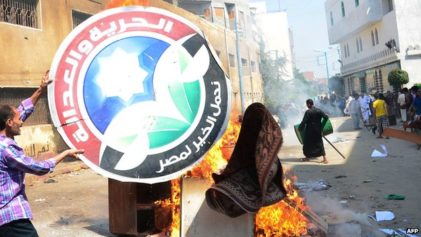
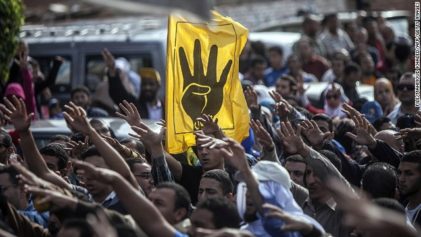
Crowds of Morsi critics and Morsi supporters squared off on the streets of Cairo—the Morsi backers were larger.
Six people have been killed and hundreds wounded thus far in the protests. Though Morsi has sad that the majority of the population supports him and his bid to rewrite the constitution with the imprimatur of the Muslim Brotherhood, that claim seems belied by the massive demonstrations in recent days. Last Tuesday, 100,000 protesters marched outside of the presidential palace in Cairo.
“I never thought I would say this, but even Mubarak was more savvy when he spoke in a time of crisis,” Hossam Bahgat, executive director of the Egyptian Initiative for Personal Rights, told the New York Times last week.