 One neighborhood in the South Side of Chicago is now known as one of the city’s most dangerous neighborhoods, but one local journalist says there is more to the city than the crime and poverty that is portrayed in the news.
Englewood has been ranked as one of the five most dangerous neighborhoods in Chicago, which has been attributed to the unusually high unemployment rates and the low median household income for families in the area.
For one 30-year-old journalist, crime and unemployment statistics have defined her neighborhood for entirely too long.
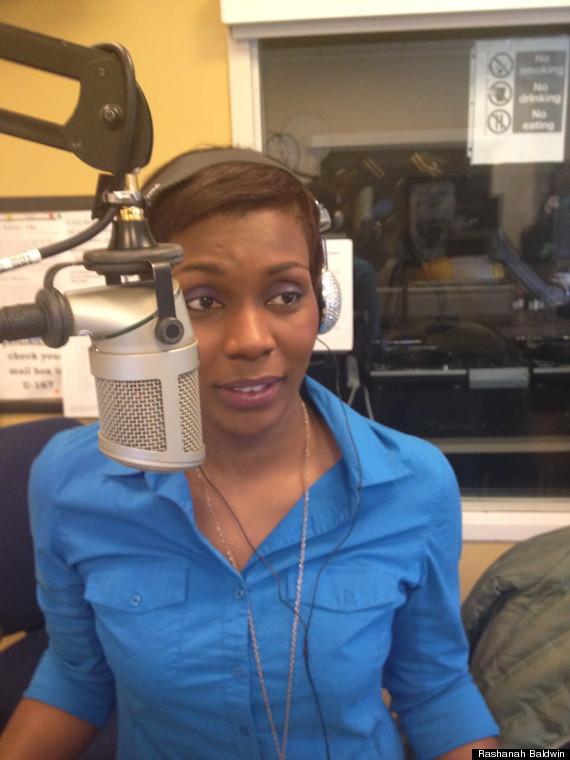
Rashanah Baldwin has lived in Englewood for a long time and she sees a very different neighborhood than the one the news portrays, so she stepped in to change that.
Baldwin has launched a weekly segment on WKKC, Kennedy-King College’s radio station, titled “What’s Good in Englewood.”
The segment aims to showcase the positive things happening in the Chicago neighborhood.
“The portrayal of Englewood I see on TV is not the community I live in,” Baldwin told the Huff Post. “Every day I’m walking outside to the gym, to the café, going to work. It’s not what you think. I’m trying to convince people that there is hope here and it is a place where you can raise a family.”
Baldwin’s segment has shed light on the successes of students in the area, positive programs that are helping the youth and urban farms scheduled to come to the area soon and offer new jobs.
One story focused on four students at Lindblom Math and Science Academy who were named Gates scholars and received full college scholarships.
As for the urban farms that will come to the area soon, Growing Homes offers job training that could help the city fight back against high unemployment rates.
“I know there is much more work to be done still, but I want people to realize it’s structural,” she added. “It’s been set up this way. We don’t need saving. We’re not a social service community. It’s good that you want to help, but help by giving us resources, not more services.”
The Chicago Tribune has noticed the journalist’s hard work and gave her a front-page feature.
Baldwin hopes her stories will continue to reach communities across the nation and get more people to see her neighborhood the way she sees it.
While she certainly isn’t denying the amount of crime and shootings in the area, she just wants to remind the public not to believe everything they hear.
“Yes, someone got shot yesterday, and someone will probably be shot tomorrow, too,” she said. “That happens in every urban community around the world. That’s an issue we have to change, and we have to become the leaders and become those assets to change it. We’re going to create peace.”