Stand Your Ground: 6 Cases Where Black Political Leaders Resisted Being Bullied by the ‘West’

Zimbabwes-president-Robert

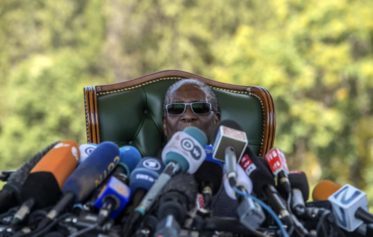
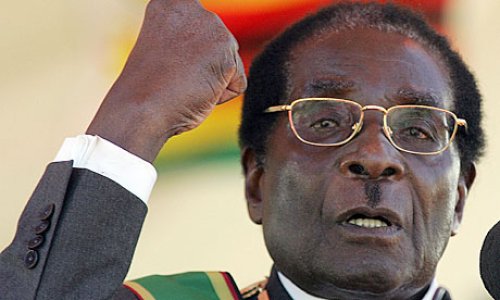
Robert Mugabe

Robert Mugabe has ruled Zimbabwe since the country fought and won independence from Britain in 1980. At that time 46.5% of the country’s arable land was owned by approximately 6,000 commercial farmers, while white farmers, who made up less than 1% of the population, owned 70% of the best farming land.

Initially Mugabe, who holds seven college degrees, was a darling to western countries because he supported policies that maintained white minority domination of Zimbabwe’s economy. But in 1997, after the new British government, led by Tony Blair, unilaterally stopped funding the “willing buyer, willing seller” land reform program, the African leader instituted a forced land redistribution program to put Zimbabwe’s resources back into the hands of Black Zimbabweans.

The United States and the European Union did not take too kindly to this, imposing harsh sanctions on Zimbabwe in an attempt to destabilize Mugabe’s administration. Despite the economy-crushing effects of the sanctions, Mugabe remained committed to the idea that Zimbabwe’s land and natural resources belong to its indigenous peoples.

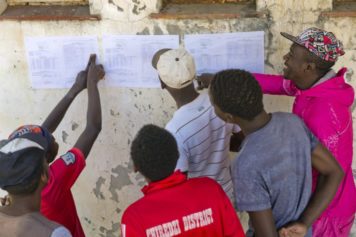
In the July 2013 elections, after a landslide victory, the African head of state said: “We paid the ultimate price for it [freedom] and we are determined never to relinquish our sovereignty and remain master of our destiny. Zimbabwe will never be a colony again.”

Still independent.

We hope this story was worth your time. For over 14 years, Atlanta Black Star has stayed Black-owned and independently run. We didn't get here by waiting on ad budgets that were never built to prioritize us. Our readers did that.

Corporate support for Black media has always been thin. Outlets like ours get roughly 1% of the $170 billion spent on U.S. advertising each year, and that margin is shrinking further as advertisers walk back the DEI-linked commitments they made in 2020. That's the backdrop. It's not why we're asking.

The wider picture isn't any steadier. Newspaper ad revenue has fallen more than 80% since 2005, and local newsrooms are closing at a rate of roughly two a week nationwide. When outlets go under, it's rarely the ones built to center a Black perspective from the ground up that get to stick around.

We know a request for support isn't why you came here. But without readers choosing to fund this work directly, the depth of reporting we can do at home and abroad shrinks along with everyone else's. If you're not in a position to give, that doesn't change how much we value you as a reader.

If you are able to, a recurring contribution does more for us than a single one-time gift, because it lets us plan the next investigation instead of just the next invoice. It takes about 30 seconds, no long form, no account. Thank you for continuing to support independent journalism and freedom of the press.

Back to top