
Over the past week, technology systems have failed around us.
Last Thursday, Microsoft Outlook became largely unusable. On Friday, the FAA halted departures nationwide. By Monday, multiple large banks had left customers locked out of their accounts.
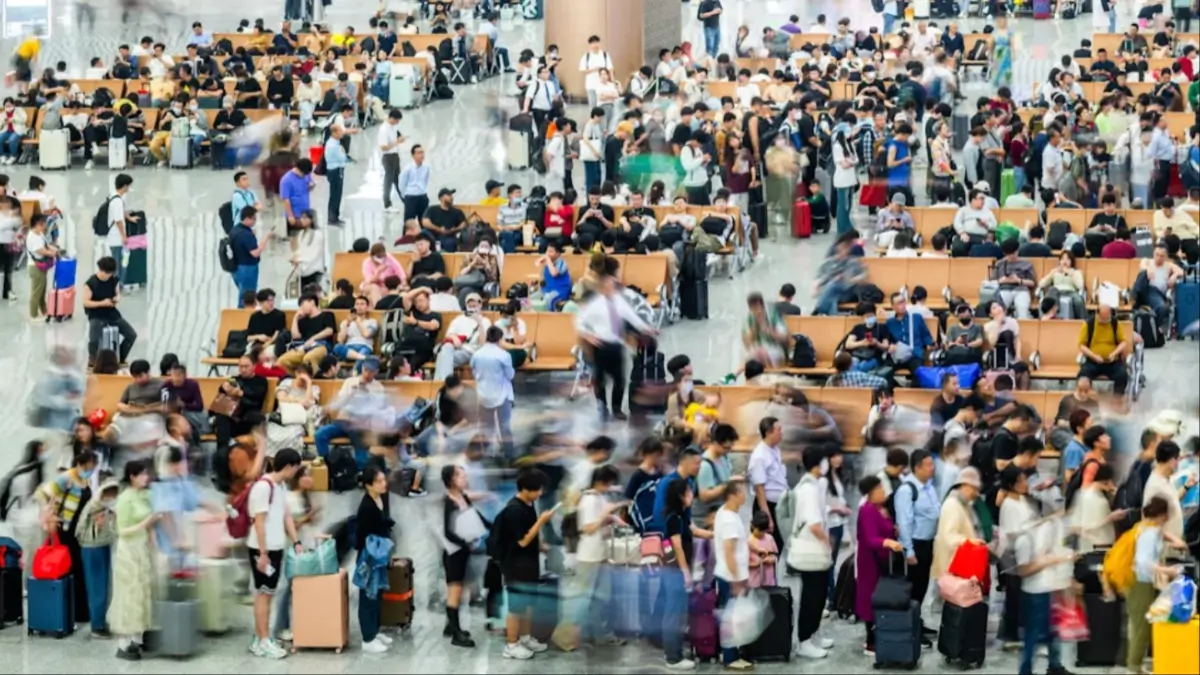
For millions, that meant being unable to send work emails, stranded at the airport for hours or even days, or maybe unable to access money to pay a bill.
Across the nation, many people are now feeling weary about everyday tech, wondering how reliable our systems are, especially planes that need communication systems to keep passengers safe. But not many know that technology was based on the invention of a Black man.
Granville T. Woods was born free in Ohio in 1856. Growing up, he received minimal schooling and worked odd jobs before working as a railroad and ship engineer. He eventually began to design and invent things, eventually obtaining 60 patents in his lifetime.
One of his most famous inventions is the telephone transmitter, which eventually became the modern telephone. While many people believe that Alexander Graham Bell invented this, he actually purchased the patent from Woods. This payment allowed Woods to go full-time with his inventing.
Another key invention was the 1887 induction telegraph system. The system essentially let moving trains exchange messages with each other and with stations. However, around this time, Thomas Edison sued Woods not once but twice, claiming ownership of this system and lost. This win eventually led people to call Woods the “Black Edison.”
Although Woods’ direct system wasn’t implemented in aviation, the basis of live dispatch and signaling was used to create plane communication that evolved into what we know today.
This is only the third time a ground stop has happened in modern U.S. aviation history.
The FAA claims the ground stop resulted from a newly installed router at a facility in El Dorado, Arkansas, that overwhelmed the communications feed.
But for passengers, all that meant was being delayed for hours or even days. Leaving the public wondering: who can you count on when systems go down?


