A Quaker congregation is tackling reparations, one grant at a time.
In March, a Quaker Church in Germantown, Pennsylvania, launched an innovative solution to redistribute wealth to the local Black community. As part of their racial justice plan, first-time homebuyers can apply for grants up to $10,000 for down payments and closing costs.
The church, Green Street Meeting, distributes the funds through a Washington-based nonprofit called birdSEED, with the express stipulation that the money must go to Black homebuyers purchasing property in the 19144 or 19138 zip codes.
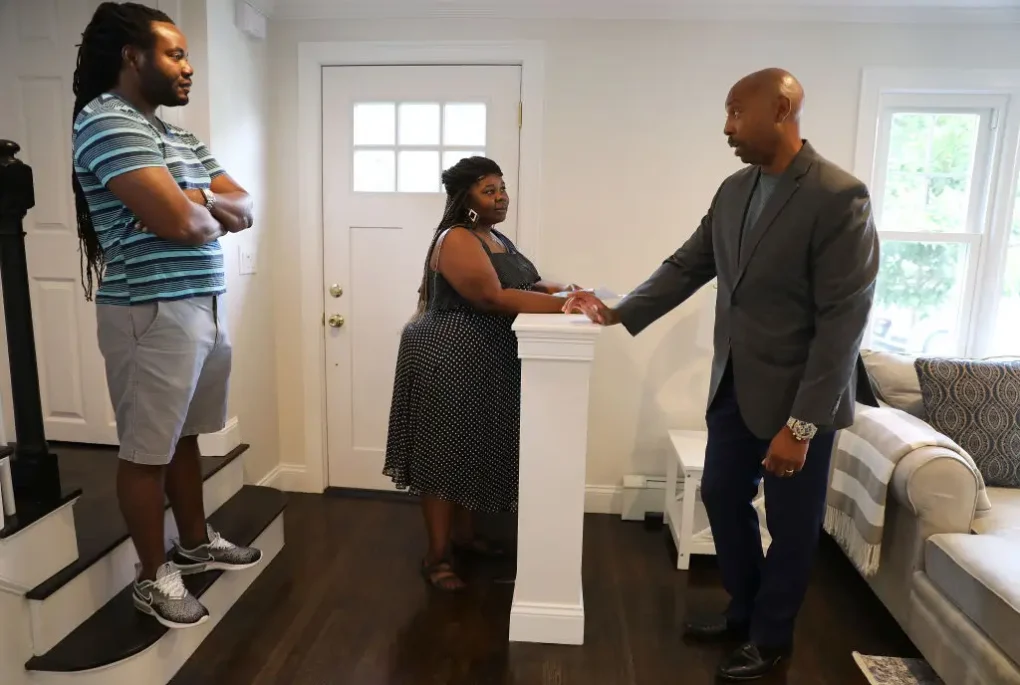
Applicants must have an annual household income of up to $150,000 and have lived in the area for at least three years. The application window for the current round of housing justice grants closes Sept. 30.
Rebecca L. Grant, a member of Green Street’s reparations committee, acknowledged the initiative in a Sept. 14 Philadelphia Inquirer article, describing it as a meaningful step forward.
“We knew these grants wouldn’t undo generations of discrimination,” she said, “but we thought we could make a difference one family at a time.”
The initiative arrives as federal reparations legislation remains stalled and the broader movement has faced political backlash.
Green Street described reparations as “economic and spiritual repair for the intergenerational harms of slavery, Jim Crow, and their afterlives.”
The congregation created the fund to address “the theft and pillaging of Black wealth” accumulated through centuries of systemic discrimination.
That theoretical commitment translates directly into real-world relief for local families.
Homeownership has been a challenge for Quincy Pilgrim and his wife, Charmira, a special education teacher and case manager. Steep closing costs and down payment requirements had kept it just out of reach. After resigning themselves to renting for their family of seven, the $10,000 grant enabled the Philadelphia couple to purchase their home. Charmira, meanwhile, described the milestone as “a blessing,” according to the Inquirer.
Grant told the outlet, “We didn’t want the reparations to just be about acknowledging a painful history. We want it to be about what we can do now.”


