JD Vance arrived at the White House press briefing with policy updates and prepared talking points.
He also brought a cheat sheet. But wound up doing exactly what we expect from him and others in the Trump administration: play it safe.
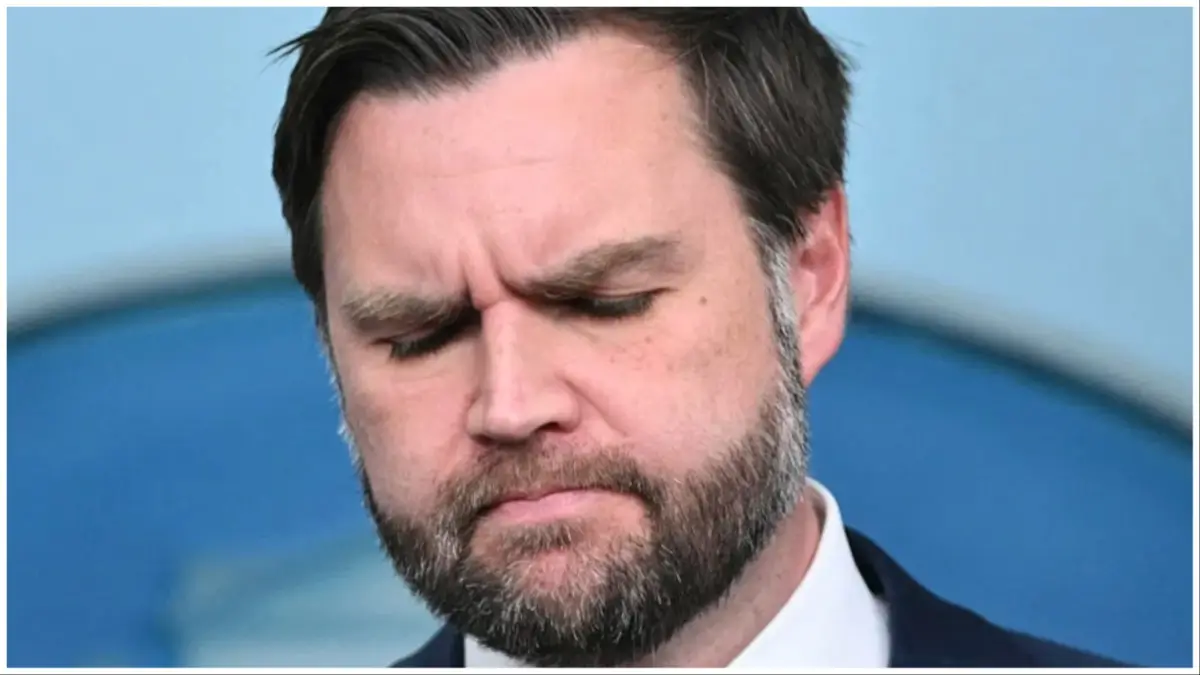
Apparently, answering questions was only half the assignment.
Figuring out who was allowed to ask them became the real test for the vice president.
The document was a seating chart for the James S. Brady Press Briefing Room. Vance needed it on Thursday while hosting the administration’s first formal briefing in 42 days. It was also the first briefing since Karoline Leavitt stepped down as press secretary.
View on Threads
“I’m gonna go—I’m gonna go to … Let’s—let’s go … Let’s go to …” Vance said. He appeared to struggle while choosing his next questioner.
A reporter offered some help. She yelled out, “You don’t have to go by that list.”
Vance continued searching the page.
“Well, the problem is—OK, here’s the thing,” he replied. “You guys can see the list here. You know, you can take your zoom-up links here. Nobody’s even circled. Nobody’s even circled. If Karoline Leavitt were still here, she would have told me who to call upon, but clearly, that hasn’t happened here.”
The moment looked less like a presidential briefing and more like a substitute teacher searching for the attendance sheet.
Vance had already stirred up trouble before entering the room. He posted a video on Instagram as he walked toward the briefing.
“We’re going to find out which reporters are going to be nice and which missed their cups of coffee,” he joked.
Critics viewed the remark as another swipe at journalists. Supporters considered it harmless banter with a press corps the administration often describes as hostile.
The seating-chart clip quickly spread across social media. Viewers had plenty to say about Vance needing help at the podium.
“She would’ve told me who to call upon…. … because it was all scripted?” one Threads user wrote. “This proves it, Vance is a JOKE!” another person declared. “Is that the sponsor list?” a third commenter asked.
The jokes continued on YouTube.
“Why do you have to be told to be called upon why don’t you just take questions anymore corrupt people,” one viewer posted. Another said, “He just proved that he can’t think on his feet.”
“Perfect duo in the White House right now. Dumb and Dumber,” a third added. Someone else concluded, “Yes only pick the reporters who throw you softballs.”
Vance eventually moved beyond the seating arrangements.
He praised President Donald Trump’s record on foreign policy. He also argued that America had won few wars during his lifetime before Trump returned to office.
That claim became more complicated minutes later.
CNN reporter Kaitlan Collins questioned Vance about American military operations against Iran. Vance refused to describe the conflict as a war.
“I wouldn’t call it a war,” he said.
Vance claimed major combat operations had ended. However, fighting and retaliatory strikes had continued. He also declined to provide a timeline for ending the conflict.
Collins then asked about Libby Klinner. Her husband, Air Force Maj. Alex Klinner, died during a March refueling mission over western Iraq. Five other crew members were also killed.
The vice president appeared unfamiliar with the family’s case. He requested Klinner’s contact information. He then promised that the administration would help.
The Air Force later acknowledged that Klinner had received inaccurate information. Officials confirmed that all eligible combat-related benefits were included in her husband’s pay.
Leavitt stepped down in August. She said she wanted to spend more time with her two young children. She is expected to remain in Trump’s political orbit through the MAGA Inc. super PAC.
Trump has not named her permanent replacement, which is the reason why the vice president was at the mic.
Until he does name someone, the Briefing Room podium remains a shared assignment. Someone also might want to keep that seating chart close by.


