In Washington, even the smallest creatures can steal the spotlight.
This week, one tiny insect turned a carefully choreographed diplomatic moment into the kind of viral spectacle that had social media laughing, side-eyeing, and asking questions the White House probably didn’t anticipate.
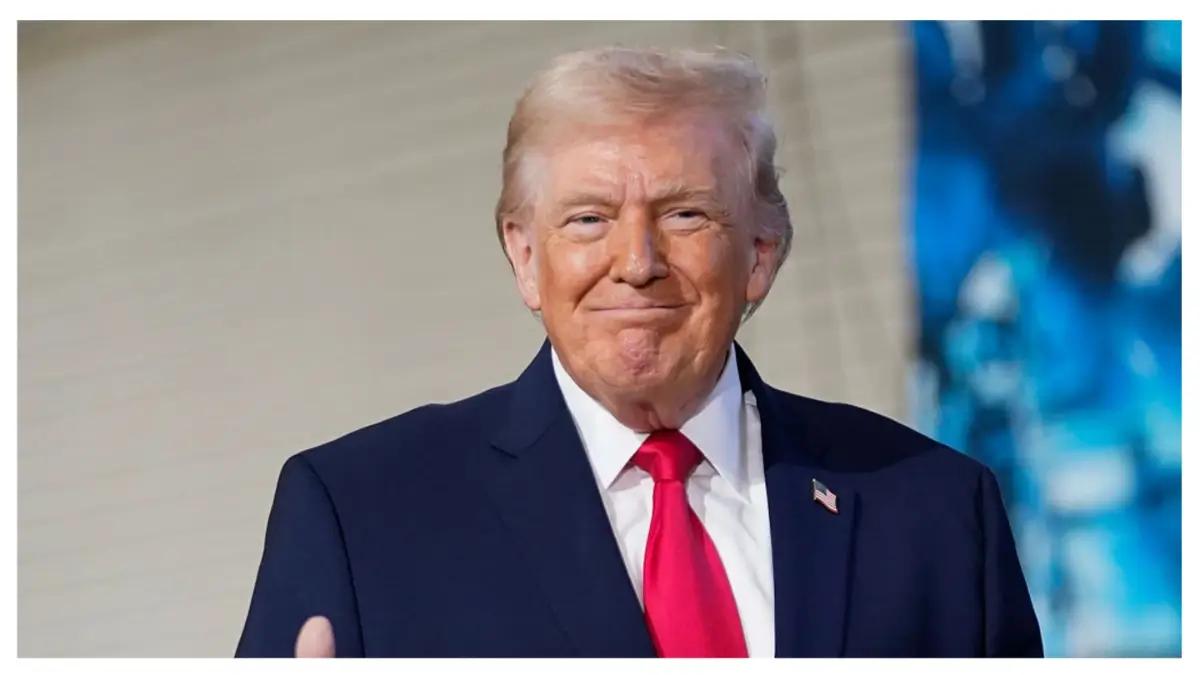
President Donald Trump thought he was showcasing charm, diplomacy, and a little environmental flair when he welcomed King Charles III and Queen Camilla to the White House gardens.
As the president proudly held up the bee in his palm like a trophy, appearing eager to show it off, the reactions around him told a very different story. Melania, dressed in a bright yellow blazer, looked visibly uneasy — her hand pressed to her chest and her face carrying the same frightened and concerned expression she showed days earlier after hearing gunshots near the White House Correspondents’ Dinner.
Nearby, Charles and Camilla wore masks of polite fascination. Both the king and queen are avid beekeepers themselves, with Charles hosting apiaries on multiple properties, and Camilla keeping bees at her own estate in the English countryside.
Instead, the moment quickly turned into a meme-worthy scene involving bees, royal reactions, and renewed chatter about first lady Melania Trump — and the long-running comparisons to former first lady Michelle Obama.
Trump toured the South Lawn beehives with the British monarchs and Melania on Monday, April 27.
The visit was meant to highlight sustainability and the White House honey program, which the first lady recently expanded with a new hive shaped like the White House itself. But the internet immediately shifted the narrative from diplomacy to drama.
What was supposed to be a sweet, press-friendly showcase quickly became social media comedy gold.
Trump leaned into the photo op. According to The Guardian, he reportedly joked about the bee while showing off the garden area before the formal private tea honoring the U.S.–U.K. relationship. That dinner even featured dessert made with honey harvested from Melania’s beehive — a detail meant to signal elegance and hospitality.
But online critics weren’t focused on the menu. They were focused on the optics — and the reactions.
Threads users wasted no time chiming in, turning the moment into a running joke across timelines.
“SMDH. The king’s face tells it all,” one person wrote.
“Was that a threat to the King?” another user asked.
A third commenter joked, “And Melania is holding their chest oh my God my husband is holding a bee in his hand. Oh my God!!!”
“Dead bee isn’t a good sign at all, symbolic for what’s to come, don’t think for a moment that was coincidence,” someone else posted.
“Perhaps it’s a message from Ivana, saying ‘See you soon Donald,’” another person added.
“Poor bee he was trying to find the rose garden but landed on concrete,” one final commenter wrote.
The reactions to the official picture prove how, once social media gets involved, the narrative rarely goes the way planners expect.
And that’s where Melania enters the conversation in a bigger way.
Her beehive project was presented as a signature initiative — polished, elegant, and tied to sustainability.
But critics quickly pointed out that the White House bee and garden program actually began years earlier under Michelle Obama, who launched the kitchen garden in 2009 as part of her healthy-eating campaign. The bees were installed to help pollinate crops and became a symbol of nutrition and environmental awareness.
That history reignited a familiar storyline: the persistent perception that Melania has followed in Michelle’s footsteps — sometimes so closely that critics call it copying.
Who cares what the bee house looks like??? It serves the same purpose. The bees are not happier because their box looks more expensive. https://t.co/7uo7VB0gnN
— Jenn K. Tidwell (@jk_tidwell) April 28, 2026
The comparisons stretch back nearly a decade.
Melania’s 2016 Republican National Convention speech sparked headlines after several lines closely mirrored Michelle Obama’s 2008 convention speech.
In 2018, her “Be Best” campaign materials drew scrutiny for resembling earlier federal resources created during the Obama administration.
And more recently, her documentary rollout sparked chatter online because of perceived similarities to Michelle’s 2020 Netflix film “Becoming.”
Fair or not, those moments created a narrative that resurfaces whenever Melania launches a project that echoes something associated with Michelle.
Melania Trump can’t seem to get her own initiative at the White House so she copied Michelle Obama (again) and added more beehives.
— Art Candee 🍿🥤 (@ArtCandee) April 25, 2026
Her and her husband’s obsession with the Obamas is pathological. pic.twitter.com/dgdzbTltnh
So when cameras captured Trump proudly presenting a new beehive during a royal visit — and social media quickly connected the program back to Michelle Obama’s original garden — the symbolism became impossible to ignore.
Instead of a smooth diplomatic highlight, the bee moment turned into a pop-culture flashpoint.
The White House aimed to showcase grace, tradition, and international partnership. But the internet saw something else — a strange mix of spectacle and nostalgia.
In today’s viral culture, it only takes one buzz to change the whole conversation.


