Rosemary Harrison of Houston, Texas, was looking forward to celebrating a friend’s birthday at Cocody, an upscale French-inspired restaurant near the tony River Oaks neighborhood.
For the special girls’ night out, the group brought the glam, delivering some seriously sexy, sultry looks. However, before they could even set foot in the dining room, an employee said their reservation had been canceled, citing dress code violations.
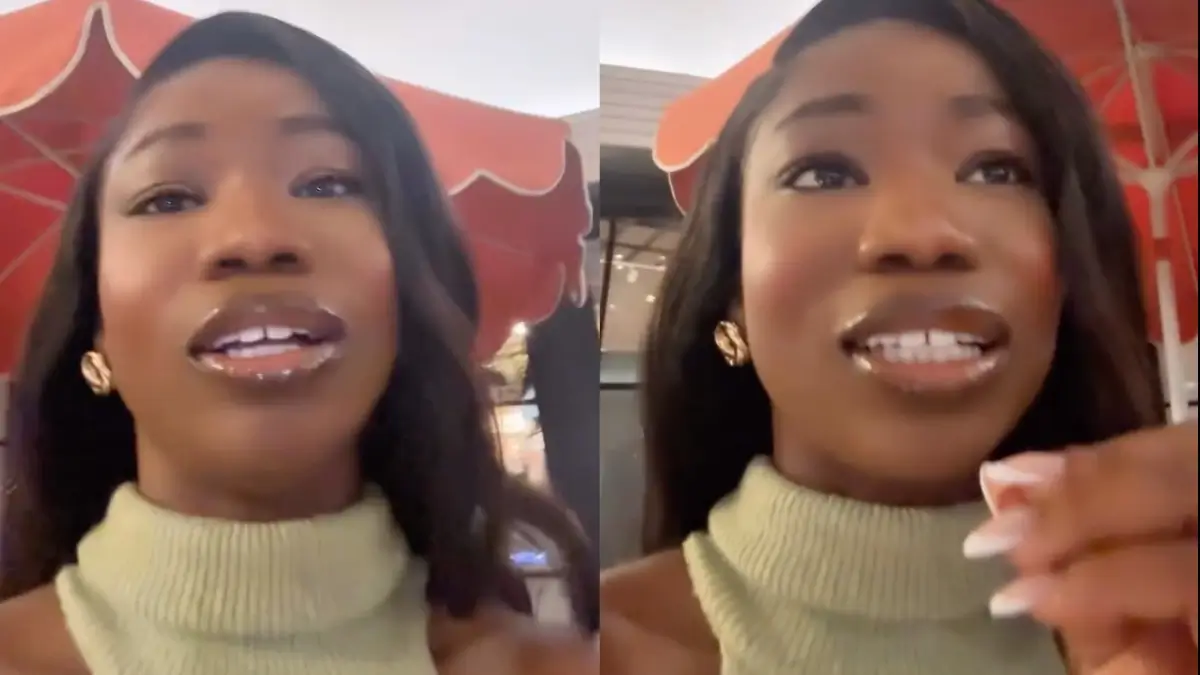
In an Instagram Reel posted on April 1, Harrison claimed the restaurant gave an excuse that their dresses were too short and one woman had bare shoulders, but she believes there was something more sinister at play: racial discrimination.
The news of the cancellation came as a shock to the group because they saw non-Black women dressed similarly who weren’t turned away.
Harrison’s video shows a group dressed in equally eye-popping outfits — including miniskirts and bare shoulders — leaving Cocody after dinner. Meanwhile, Harrison and her friends were stranded outside, forced to take birthday photos on the patio. Though the women salvaged the night by heading to a nearby restaurant, the experience left a lingering bad taste in their mouths.
Harrison wrote in the video’s caption: “It is definitely okay for restaurants to have dress codes, however, make sure the dress code applies to everybody!”
Cocody details its dress code on its website, encouraging business casual and professional attire to promote a “sophisticated atmosphere.”
“Athletic wear, streetwear, slippers, excessively revealing clothing, or exposed undergarments are not permitted,” it states.
Viewers flocked to the comments on Instagram to express their opinions on everything from “plunging necklines” and “see-through” fabric to fashion policing and racism.
“The issue is if you’re going to enforce your ‘policy,’ make sure it applies to EVERYONE. Let’s be honest here. The dresses the non-Black women had on were very much the same length as the women of color, as well as the shoulders being out,” noted one person.
Another chimed in: “They were policing those Black women’s bodies, and it is inexcusable discrimination. We should all be tired of white people telling us where to be, how to show up, where we can’t be… because of our literal bodies.”
One commenter acknowledged the double-standard but seemed resigned, “The rules for us in ‘their’ establishments have always been more stringent. It’s not right, but it is the world we live in.”
A few people believed their attire was “inappropriate,” quibbling about “tight” fits and showing too much.
But as one astute observer put it: “Race! It’s your race that’s showing.”
Cocody, which is Black-owned, had not responded to Harrison at press time.


