For the second time in as many years, former Mayor Keisha Lance Bottoms said she was denied service at an Atlanta area restaurant because she was dressed in “yoga pants,” violating what the hostess called a strictly enforced business casual policy.
But Bottoms, who served one term as Atlanta’s mayor starting in 2018, tweeted Wednesday she witnessed other patrons, “none of whom looked like me” dressed in shorts, baseball caps and flip flops.
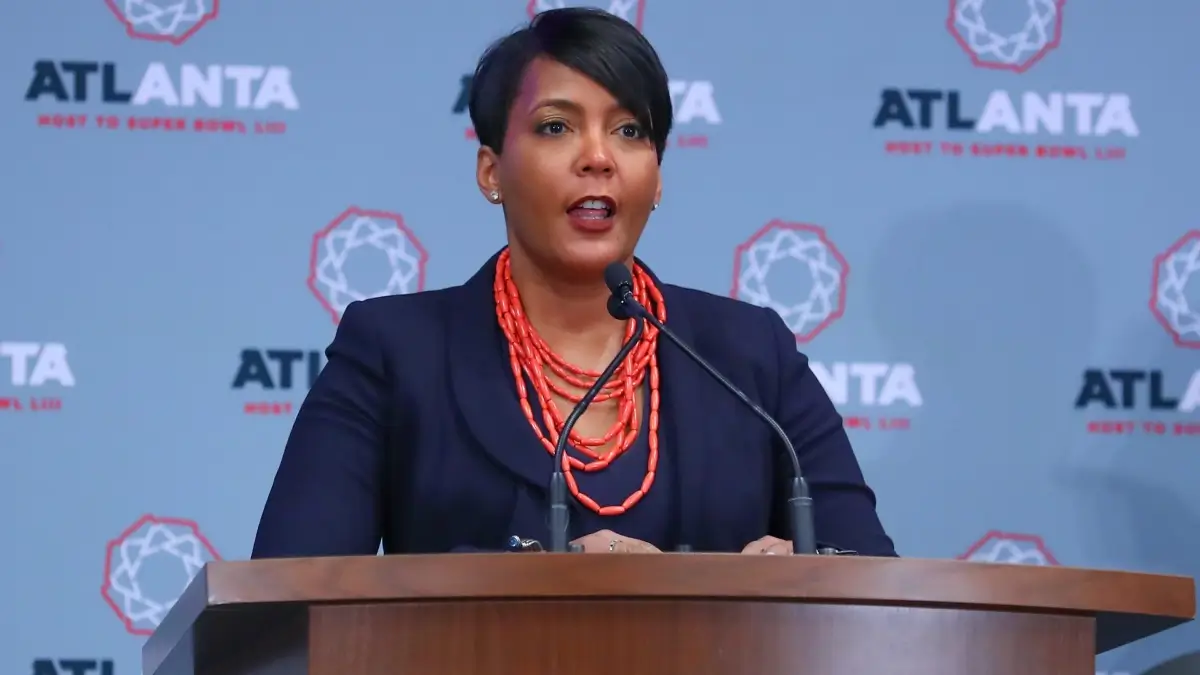
Bottoms, a senior advisor to the Kamala Harris/Tim Walz presidential ticket, did not disclose the name of the restaurant because she didn’t want the staff threatened.
That’s what happened in 2022 after the former mayor went public following a similar incident at Capital Grille, a restaurant located at Perimeter Mall in the Atlanta suburb of Dunwoody.
She said she was denied seating because she wore leggings, violating the eatery’s dress code. Bottoms said she found it “odd” that she couldn’t wear what she described as mall attire at a restaurant inside a mall.
“Rules are the rules, just wonder if the woman who came in immediately after me, who I did not see come back out, was also denied service,” she tweeted.
On its website, the Capital Grille said it promises a refined atmosphere and, thus, “proper dress is required.” Gym attire, tank tops, sweatpants, hats and items “with offensive language” are not allowed.
But social media users would go on to provide examples that showed the rules weren’t always followed and posted pictures of mostly white patrons wearing prohibited clothing items.
“BLACK Democrat Mayor of Atlanta (my Friend) Keisha Lance Bottoms was refused service at @CapitalGrille. But WHITE Folk in Gym clothes and T-shirts are totally fine at Capital grille,” actor Daniel Newman tweeted at the time.
Bottoms said the manager of the undisclosed restaurant eventually offered to seat her and her friend — one hour later, but she left. She said she wanted to connect with the owner.
“I would like to know if others are having this experience,” she said.
Another well-known Black Atlantan did have such an experience in 2021 at an upscale French bistro in the city’s tony Buckhead neighborhood.
“In my many years in the world, I’ve eaten at some of the greatest restaurants in the world, but never have I felt prejudice or been turned away because of the color of my skin, until today in #atlanta In @LeBilboquetAtl #turnedawaybecauseimblack,” tweeted Dominique Wilkins, the Atlanta Hawks’ all-time leading scorer and one of the city’s most iconic athletes.
The NBA Hall of Famer said Le Bilboquet Atlanta staff initially told him there were no available tables.
Then, they changed their story, telling Wilkins, dressed in a designer shirt and casual pants, he wasn’t “dressed fashionably enough.”
A restaurant spokesperson insisted, “In no way was Mr. Wilkins turned away because of his race.” She added: “It was purely a dress code issue that we are in the process of re-evaluating.”
Responding to a tweet alleging the restaurant “enforce(d) the dress code inconsistently which some deem racist,” Wilkins wrote: “That’s exactly what happened.”
Le Bilboquet management eventually apologized to Wilkins.
“We in no way intended for him to feel unwanted and welcome an open dialogue with him,” the restaurant said in a statement. Our upscale dining experience and our brand’s culture are made up of multiple elements, which include our music, our food, and our patrons’ attire. We continue to strive to manifest our dining experience in a way that is exciting and, most importantly, inclusive.”


