A Black man who was wrongfully convicted for more than four decades received a multi-million settlement from officials in Concord, North Carolina.
The city awarded Ronnie Long $22 million, and he received $3 million from the North Carolina State Bureau of Investigation for spending just over 44 years behind bars. Long was convicted in 1976 and given two life sentences after being accused of burglary and raping a well-known white woman. He was only 21 years old at the time.
In a statement released on Tuesday, Jan. 9, the city acknowledged the “significant errors in judgment and willful misconduct” by former employees and apologized to Long’s loved ones for his lengthy, unjustified prison stint.
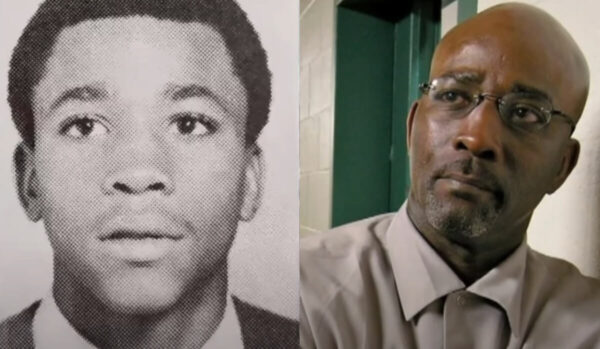
“We are deeply remorseful for the past wrongs that caused tremendous harm to Mr. Long, his family, friends, and our community,” the statement said. “Mr. Long suffered the extraordinary loss of his freedom and a substantial portion of his life because of this conviction.”
Jamie Lau, an attorney of Duke Law School Wrongful Convictions Clinic who represented Long, told the New York Times that the formal public apology was essential for his client.
“One of the biggest things for him, even through those 44 years, was to clear not only his name, but his family’s name, to make it known that he was not involved in the assault that led to his conviction and to make it known that he came from a good, working-class family in Concord,” Lau said.
In a news release obtained by WBTV, Long’s conviction was handed down by an all-white jury, although there was no evidence connecting him to the crimes. Mostly, all potential Black jurors were withdrawn from the jury pool by local law enforcement.
According to The Times, three people who were on the jury had ties to Cannon Mills, a city textile business, where the woman’s deceased husband was a prominent executive. The company notably offered $10,000 for tips to help solve the case.
Long also did not match the woman’s original description of the suspect: “a yellow or really light-skinned Black male.” She only claimed that Long —a dark-skinned man – was the suspect when police escorted her to court, where he was facing an unrelated phony charge for trespassing in a park.
While in the courthouse, she was in disguise, donning a wig and sunglasses. The move was a “suggestive identification procedure” used to “target” Long, per the news release.
A slew of evidence could have helped keep Long out of prison, including a missing rape kit and “43 fingerprints and a suspect hair collected at the crime scene.” None of it was from Long. It was tested by investigators but not disclosed, and officers with the Concord Police Department “gave false testimony about the evidence at trial.”
Long was released, and his sentence was vacated in 2020 after a federal court of appeals determined that his due process rights were violated during his trial. He received a pardon from Gov. Roy Cooper and a $750,00 check from the state.
“Hopefully, incidents like this can be avoided,” Long said in 2020, per WBTV. “If you see injustice being done against somebody, then speak out against it. Speak out; if you don’t, then hate it, hate it with all your heart.”


