Former Minneapolis police officer Derek Chauvin, who is serving a 21-year sentence for violating George Floyd’s civil rights during a fatal arrest more than three years ago, filed a motion this week in federal court to overturn his conviction, citing an alternative theory on the cause of death.
In the appeal filed on Monday, Chauvin cites the opinion of Kansas pathologist Dr. William Schaetzel, who suggests Floyd died not due to asphyxia from Chauvin kneeling on his neck for more than 9 minutes but rather from complications related to a rare tumor known as paraganglioma, which has potential to trigger a sudden and deadly surge of adrenaline.
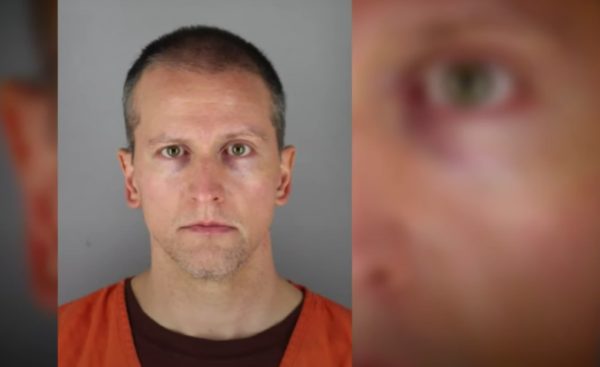
Chauvin claims that Schaetzel contacted his defense attorney, Eric Nelson, about the theory in April 2021, when Chauvin was on trial for state murder charges in Floyd’s death, saying Nelson didn’t take the claim seriously and never reached out to the pathologist for his sworn testimony.
After nearly two years, Schaetzel said he reached out to Chauvin in February to speak with him personally about his conclusions after he reviewed Floyd’s autopsy report but admitted that he never examined the body.
Asked Monday to explain why he contacted Chauvin at the federal lockup in Arizona, Schaetzel told The Associated Press: “I can’t go to my grave with what I know … I just want the truth.”
Based on Schaetzel’s conclusions, Chauvin has asked the judge overseeing the federal case to throw out his conviction and order a new trial more than 16 months into his sentence for killing Floyd.
In the court filing, Chauvin further claims that the jury in his state criminal case would have found him not guilty in 2021 if they had heard the evidence from Schaetzel.
The Hennepin County Medical Examiner ruled Floyd’s death a homicide that was likely caused by the knee restraint.
The fatal incident occurred on May 25, 2020, when then-officer Chauvin, who is white, subdued the 46-year-old Black man by pinning his neck to the ground with his knee after Floyd tried to pass a counterfeit $20 bill at a convenience store moments earlier.
The episode was filmed by several witnesses who shared the viral videos on social media, sparking months of violent protests around the world while strengthening the Black Lives Matter movement in the United States.
When Chauvin pleaded guilty to federal charges in December 2021, he forfeited his right to an appeal except under the condition of asserting that his defense attorney was inadequate or incompetent to represent him.
The agreement is notable as Chauvin, in his newest appeal, claims Nelson failed to inform him about Schaetzel’s theory during the state trial and never challenged the constitutionality of the federal civil case against him based on the evidence.
Previously, a federal appeals court twice rejected Chauvin’s request for a new evidentiary hearing on other legal grounds.


