A parole board recommended that a woman who was sentenced to life in prison nearly 20 years ago for the malnutrition death of her infant child who was fed cow’s milk instead of baby formula should be freed.
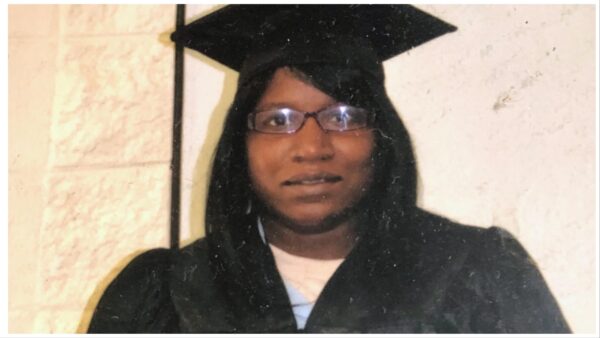
Tiffany Woods, 43, pleaded for her release in front of the Louisiana Board of Pardons after spending 17 years in prison for the second-degree murder of her baby, Emmanuel.
Emmanuel was just five months old when he died in 2005. At the time he was born, Woods and her family were living in New Orleans. He was born prematurely at just three pounds and tested positive for a deficiency that makes the body unable to break down certain fats. This condition increases the risk of sudden death due to low blood sugar, so babies need very frequent feedings. However, hospital staff didn’t notify Woods of this when the baby was discharged.
After undergoing intensive care, Emmanuel went home just three weeks before Hurricane Katrina made landfall. Woods was 25 then.
The day before Katrina hit, Woods fled to Shreveport, Louisiana, with her four children. They stayed at a sports arena and then a motel before moving to a rented house. She had been feeding Emmanuel baby formula until the family ran out of food vouchers, so she decided to feed him cow’s milk which pediatricians advise against for children under 1 year old.
“The formula he was taking, he wasn’t swallowing. He was always throwing it up, and then we ran out of WIC (food) vouchers, so I decided to switch it … I switched it to organic milk. I thought he was doing better, but he wasn’t thriving,” Woods said to the parole board.
At that time, Woods said she had been suffering from depression and stress due to the terrible aftermath of Katrina and made some “poor choices,” including giving her baby cow’s milk.
“At that stage of my life I was a young mother who was trying to take care of her children the best she could. And I made some terrible decisions. But the woman who sits before you today, I’m not that same person,” she said.
Emmanuel’s condition continued to deteriorate, and he died in November 2005. Woods and her husband were indicted for murder, and during the trial, the prosecution argued that even though Woods claimed she ran out of vouchers, there was food and beer in the fridge after the baby’s death. Prosecutors also showed stark images of the infant’s sickly body to counter Woods’ claims that she didn’t see anything wrong with the child.
Unlike most states, Louisiana law allows murder convictions in accidental deaths resulting from a set of felonies that includes cruelty to juveniles. Also, unlike most states, Louisiana murder convictions carry a mandatory life prison sentence with no chance at parole for adults. Both of Emmanuel’s parents lost their appeals.
All four of Woods’ children — one was born after Emmanuel died — were present for the board hearing to back their mother. The warden at Woods’ prison warden called Woods “low-risk, low-need” and said the prison doesn’t have issues with her.
Board members also vocally supported Woods. One mentioned her minor disciplinary record, and another told her, “You’re not the same person you were.”
The board voted unanimously that Woods should be granted her freedom, but the decision to release her ultimately comes down to Gov. John Bel Edwards. Last year, the state board issued 105 recommendations for clemency, and Edwards granted 35 pardons and commuted sentences for 51 other people.
The boy’s father, Emmanuel Scott, who is now 36, is also serving life in prison. He hasn’t applied for clemency.


