The relatives of Henrietta Lacks, a Black woman whose cells were taken without her knowledge decades ago without her consent have reached a confidential settlement with the biotechnology company Thermo Fisher Scientific.
The success of the legal case may lead to more complaints seeking compensation for the use and to gain control over Lacks’ cells. Her “HeLa” cells were the first in the world capable of replicating outside the body.
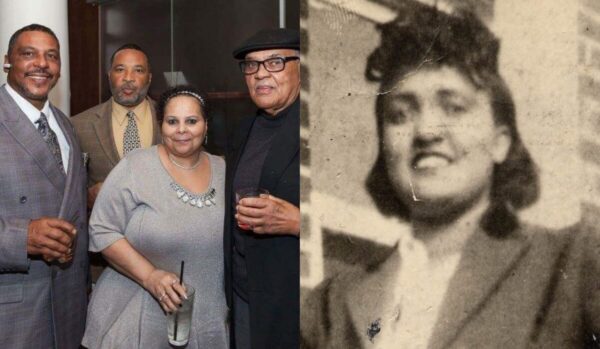
Attorneys for the family announced the agreement at a news conference in Baltimore on Tuesday, July 31, which coincides with what would have been Lacks’ 103rd birthday.
“The parties are pleased that they were able to find a way to resolve this matter outside of Court and will have no further comment about the settlement,” said civil rights attorney Benjamin Crump in a statement.
Lacks’ relatives filed the lawsuit two years ago, exactly 70 years after the day Lacks died. Thermo Fisher Scientific previously had argued that the descendants waited too long to take legal action and claimed that many other companies globally also use HeLa cells without explicit consent.
Henrietta Lacks underwent cervical cancer treatment in 1951 but died a few months after diagnosis. Her cells were later discovered to regenerate outside the body, and they have been instrumental in developing polio and COVID-19 vaccines, as well as the world’s most common fertility treatment.
In their lawsuit, Lacks’ grandchildren and other descendants highlighted her treatment as a significant example of ongoing medical racism that persists to this day.
“The American pharmaceutical community has a shameful history of profiting off research at the expense of Black people without their knowledge, consent, or benefit, leading to mass profits for pharmaceutical companies from our illnesses and our very bodies,” Crump said. “There is no clearer example of this than Henrietta Lacks and the seemingly endless manipulation of her genetic material.”
Last week, a bill to award the Congressional Gold Medal posthumously to Lacks was introduced by U.S. Sen. Chris Van Hollen and U.S. Sen. Ben Cardin, both Democrats from Maryland.
In a statement announcing the bill, Hollen acknowledged that Lacks profoundly influenced modern medicine.
“It is long past time that we recognize her life-saving contributions to the world,” he said.


