The U.S. Department of Health and Human Services has launched a civil rights investigation to assess a Los Angeles hospital’s treatment of Black mothers seven years after one woman died from a botched C-section due to allegedly negligent behavior from the hospital staff.
An HHS spokesperson sent a statement to several news outlets about the probe into Cedars-Sinai Medical Center saying, “Maternal health is a priority for the Biden-Harris Administration and one in which the HHS Office for Civil Rights is working on around the country to ensure equity and equality in health care. To protect the integrity of this ongoing investigation we have no further comment.”
The probe comes after the death of Kira Dixon Johnson in April 2016. She died due to blood hemorrhaging following a cesarean section. She suffered internal bleeding for 10 hours before the medical center staff took her back to a procedure room. By the time the clinicians opened Kira’s body, her abdomen was filled with 3 and a half liters of blood. Her baby lived.
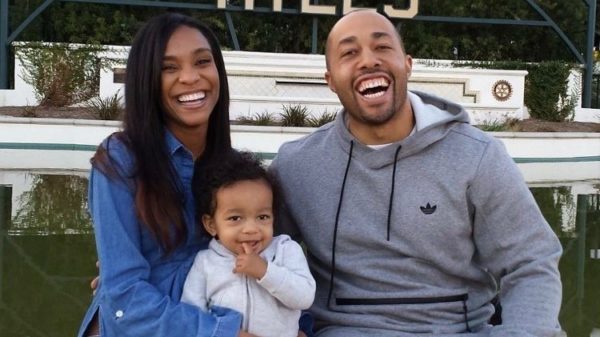
After Kira’s C-section, her husband, Charles Johnson IV, recalled telling one clinician his wife wasn’t doing well. He said that that person responded, “Sir, your wife is not a priority right now.”
It was Kira’s death that kindled a new nationwide dialogue about the disparities in Black maternal health.
Her husband sued the medical center twice — once for medical malpractice in 2017 due to the rushed and botched C-section surgery and another time in 2022 alleging that his late wife’s civil rights were violated. That second suit claimed she was denied health care because of her race, “which resulted in her untimely and wrongful death.” Both lawsuits have been “resolved,” according to Johnson.
“I am extremely proud that HHS is going forward with this [investigation]; that they are taking it seriously and this has been I think an extremely long time coming,” Johnson said. “This investigation is a very important step toward accountability, transparency and ultimately, an important step in making sure that families from all walks of lives receive the safe, dignified, respectful care that they deserve not only in material health but healthcare as a whole.”
After the federal investigation was announced, a Cedars-Sinai representative stated that hospital staff has a vested interest in “national disparities in Black maternal health” but said nothing to address the probe.
“Cedars-Sinai clinicians, leaders and researchers have long been concerned with national disparities in Black maternal health, and we are proud of the work we’ve done (and continue to do) to address these issues in Los Angeles as well as at the state and national levels,” the spokesperson said.
After his wife died, Johnson worked on a bill to prevent maternal deaths with former Congressman Jaime Herrera Butler. It was signed into law in 2018 by former President Donald Trump.


