Democratic Gov. Gavin Newsom has signaled that he may reject the recommendations of his own committee to pay reparations to eligible Black residents.
Newsom commissioned the California Reparations Task Force in 2020 to study the effects of slavery and racism in the state. After a two-year investigation, the committee recommended cash payments for eligible Black residents. Newsom told Fox News Digital that reparations were “more than cash payments” on May 10.
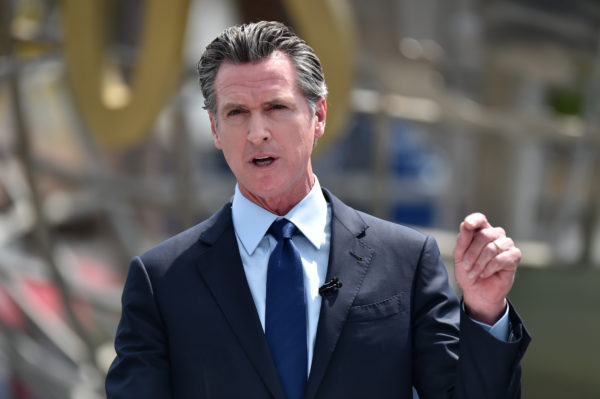
“The Reparations Task Force’s independent findings and recommendations are a milestone in our bipartisan effort to advance justice and promote healing,” said Newsom. “This has been an important process, and we should continue to work as a nation to reconcile our original sin of slavery and understand how that history has shaped our country.”
He went on to stress the need for systematic change.
“Dealing with that legacy is about much more than cash payments. Many of the recommendations put forward by the Task Force are critical action items we’ve already been hard at work addressing,” said Newsom.
The governor added that obstacles such as “breaking down barriers to vote” and “bolstering resources to address hate” needed to be addressed. The 55-year-old also said that enacting “sweeping” law enforcement and justice reforms was needed to build trust. Newsom added that “strengthening economic mobility” while the state invested “billions to root out disparities” and improve housing equity, education and health care “must continue.”
“Following the Task Force’s submission of its final report this summer,” he continued, “I look forward to a continued partnership with the Legislature to advance systemic changes that ensure an inclusive and equitable future for all Californians.”
The reparations committee recommended that Black residents affected by banks’ racist redlining policies receive $3,366 per year for each year between 1933 and 1977 that they resided in the state, or up to $148,099. The task force also recommended that residents receive $2,352 each for every year they lived in California between 1970 and 2020 to compensate for the over-policing of Black communities.
For discrimination and health disparities caused by racist policies, the committee recommended that eligible residents receive $13,619 per person for each year they resided in California. The total amount could be as high as $1.2 million for some eligible residents.
Additional recommendations include an apology for racist practices that harm Black people and policy changes such as free college tuition for all residents eligible for reparations, repealing the “three strikes” law, universal healthcare, subsidizing mortgage and down payments for people living in formerly redlined neighborhoods and abolishing the death penalty.
The cash payments pale in comparison to the recommendations from the San Francisco African American Reparations Advisory Committee, which recommended residents receive a one-time $5 million cash payment to atone for racism and systematic repression. The San Francisco committee also recommended policy changes and recommended that the city supplement the income of eligible residents to ensure their annual income is $97,000, the Area Median Income. The plan would supplement recipients’ incomes annually for 250 years.
“Racial disparities across all metrics have led to a significant racial wealth gap in the City of San Francisco,” said the committee. “By elevating income to match AMI, Black people can better afford housing and achieve a better quality of life.”
California Assembly Republican Leader James Gallagher, R–Yuba City, called the California Reparations Task Force plan a “fool’s errand.”
“This has been a fool’s errand from the start. Democrats have promised the world with this reparations task force,” said Gallagher. “And now the massive taxpayer bill is coming due. Newsom has painted himself into a corner, and he’ll have to choose between signing off on a ridiculous policy that will bankrupt the state or admitting once and for all that this task force was nothing more than a political stunt.”
The final report from the task force is due on July 1, and the California Legislature will decide whether the plan will become a bill. Newsom would have to sign the bill for it to become law.
Newsom’s Chief Communication Advisor Anthony York told FOX 40 on Wednesday that he “is not backing away from cash payments, but wants to wait for the report in its entirety to arrive on his desk before he makes any decision.”


