
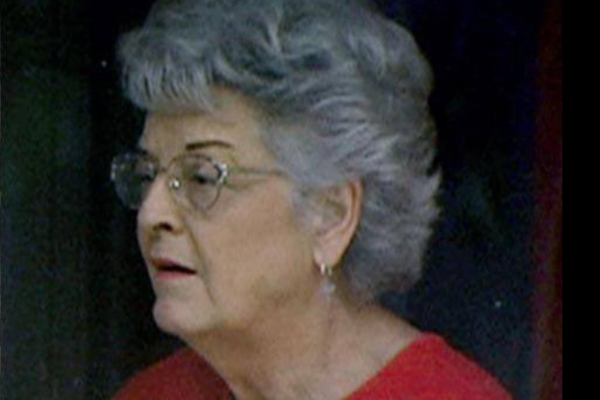
Even after the discovery of an arrest warrant and an unpublished memoir, the woman behind Emmett Till‘s lynching has yet again avoided prosecution.
A grand jury on Tuesday declined to indict Carolyn Bryant Donham, the woman who accused Emmett of making a pass at her in 1955, in Mississippi during the Jim Crow Era.
Leflore County district attorney Dewayne Richardson said the grand jury heard more than seven hours of testimony from investigators and witnesses last week and decided there wasn’t enough evidence to pursue charges against Donham.
Emmett’s family members had amplified their call for justice for the slain 14-year-old, bolstered by the kidnapping warrant they found in a Mississippi courthouse in late June. The grand jury considered both kidnapping and manslaughter charges. It was the fourth time since issuing the warrant nearly 70 years ago that authorities weighed prosecuting Donham. Each time, the evidence has come up short.
The Rev. Wheeler Parker Jr., Emmett Till’s cousin and the last living witness to Till’s 1955 abduction said the grand jury decision was “unfortunate, but predictable.”
“The prosecutor tried his best, and we appreciate his efforts, but he alone cannot undo hundreds of years of anti-Black systems that guaranteed those who killed Emmett Till would go unpunished, to this day,” Parker said in a statement. “The fact remains that the people who abducted, tortured, and murdered Emmett did so in plain sight, and our American justice system was and continues to be set up in such a way that they could not be brought to justice for their heinous crimes.”
What Happened to Emmett Till?
Donham’s husband and brother-in-law were arrested then acquitted for Emmett’s murder in 1955. Parker said Emmett whistled at the woman at her family store. She told her husband about the encounter, setting off the deadly attack. Roy Bryant and J.W. Milam admitted to kidnapping, torturing and beating the teenager before tying him to a gin fan and dumping his body in a river. Donham told the court during her husband’s trial that the boy held her hand and told her he had been with other white women.
The case is an emblem of racial violence in America. Emmett’s family’s push for justice spurred the passing of an anti-lynching bill by Congress earlier this year. Reports show it also propelled the Civil Rights Movement decades ago. Many advocates believe that Donham embellished her account of what happened during the trial to help her husband. However, in a personal memoir made public last month, Donham said she did not know the boy would be killed, and she tried to save him by telling her husband and brother-in-law that he was not the culprit.
According to the memoir, Emmett admitted to the men that it was him, but Emmett’s great-uncle said in another court proceeding that he had heard a voice softer than a man’s identify his nephew when Bryant and Milam drew him out of his home.
It is not the first time a grand jury has considered charges against Donham. A grand jury in the same Mississippi county declined to indict her on manslaughter charges in a federal inquiry. The U.S. Department of Justice also opened two investigations and closed them, citing a lack of evidence. The most recent case was closed in December.
Richardson’s grand jury may have been Emmett’s family’s last chance for justice. Donham, the only living person involved in the boy’s killing, is 88 years old and receiving hospice care for cancer.


