It’s been almost three months and people are still talking about Will Smith slapping Chris Rock at the 2022 Oscars that aired in March. The actor walked on stage and smacked the comedian in the face for making a joke about his wife, Jada Pinkett Smith, and her bald head.
The actress expressed her hope for Smith and Rock to reconcile during a special episode of her “Red Table Talk” show while presenting to viewers what she describes as her battle with alopecia.
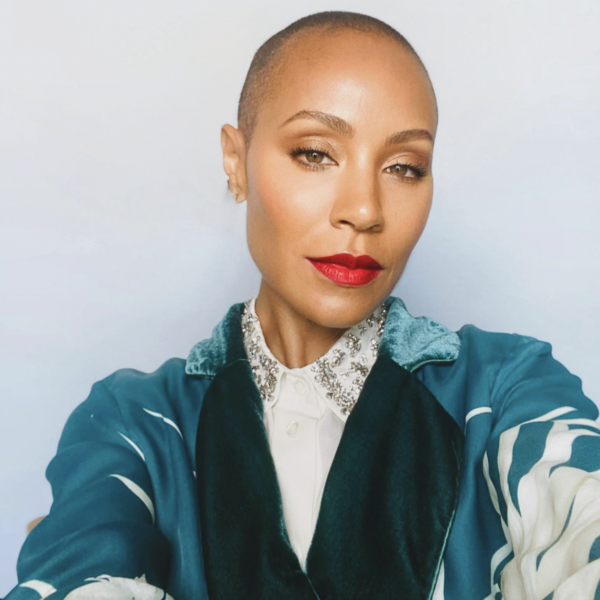
“Now, about Oscar night…my deepest hope is that these two intelligent, capable men have an opportunity to heal, talk this out, and reconcile,” Pinkett Smith said looking directly into the camera. “The state of the world today? We need them both, and we all actually need one another more than ever. Until then, Will and I are continuing to do what we have done for the last 28 years, and that’s keep figuring out this thing called life together. Thank you for listening.”
The “Matrix” star has previously opened up about her alopecia, and these days she is putting new emphasis on the topic by using her platform to help feel comfortable about experiencing hair loss.
“One hundred forty-seven million people are living with alopecia, including me. It’s so much shame around alopecia that when you go bald, you don’t have a choice,” the 50-year-old explained to her mother, Adrienne “Gammy” Banfield-Norris, and her daughter, Willow Smith. “I think the part that makes it most difficult for me is that it comes and goes,” she explains. “When you’re going through a spout or something and you gotta shave your head ’cause … it’s falling out.”
Since the Oscars, Pinkett Smith said “thousands” have reached out to her with their own stories about losing their hair. She admitted to developing “anxiety” from having patches in her head, often wondering, “What’s my hair going to look like today.”
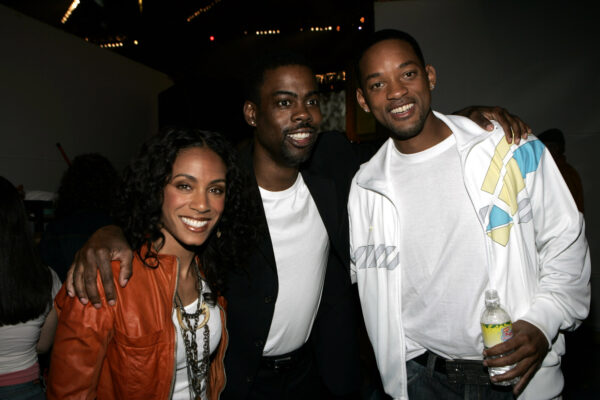
“One of the reasons I thought this show was really important is because I had so much outreach from people who suffer from alopecia, have children who suffer from alopecia, and they don’t talk about it because there’s so much shame around it,” said the Baltimore native. “There’s so many people walking around who have alopecia and that we don’t even know. I felt like it was so important to allow the alopecia community, our brothers and sisters, to tell their story. I think that people don’t understand what alopecia is and they don’t understand the effects of it.”
The trio were joined by Niki Ball, who was the mother of a 12-year-old alopecia sufferer Rio Allred. The seventh grader committed suicide on March 14, 2022, reportedly after being mocked, bullied, and teased for shaving her head bald.
All four women continued the emotionally challenging conversation as Ball shared details about her daughter’s life and what she experienced at school.
Later this week, “The Red Table Talk” will release other episodes with other alopecia patients, including the first bald Sports Illustrated supermodel, Christie Valdiserri, and men battling the condition, like former NBA baller Charlie Villaneuva.


