Jamaican Immigrant Susan M. Collins Becomes First Black Woman to Lead a Federal Reserve Bank

Economist Susan M. Collins has become the first Black woman to lead one of the 12 regional Federal Reserve banks since the central bank system was created in 1914.

She was appointed the next president of the Federal Reserve Bank of Boston on Feb. 9 and will start in her new role in July. Collins has been provost and executive vice president for academic affairs at the University of Michigan since 2020.
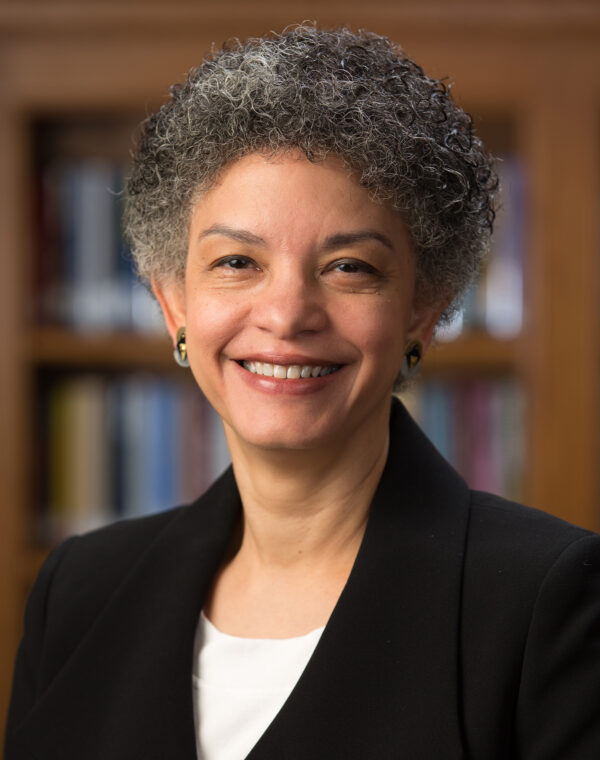
(Photo from University of Michigan)

A Harvard- and MIT-trained economist with extensive experience in government and academia, Collins, 63, is only the second woman to helm the Boston Fed. Cathy Minehan was president from 1994 through 2007.

Collins will also be on the central bank’s powerful Federal Open Market Committee, whose mandate is to promote full employment and stable consumer prices.

Collins, whose parents immigrated from Jamaica, became a U.S. citizen in 1997. 

In a recent interview, Collins indicated she would focus on both traditional Fed concerns, such as the labor market, and the kind of community-oriented initiatives the central bank has focused on in recent years. 

“I’ll note that a common theme throughout my career has been commitment to the mission of public service to improve lives — whether through education, research, or policy,” she said.

Read full story at Finurah here.


More news from our partners:

One Black Family Claims California Took Their Land for a State Park 75 Years Ago. Now They Want it Back.

A Texas Telecom Company Allegedly Isolated Black Employees Into a Separate Room with Cameras, Now Ten Former Employees Have Won a $70 Million Federal Discrimination Suit

“Thank You For Casting Light On A Sick Soul” | Rangers Pitcher Mike Foltynewicz’s Wife Alleges Abuse And More


Still independent.

We hope this story was worth your time. For over 14 years, Atlanta Black Star has stayed Black-owned and independently run. We didn't get here by waiting on ad budgets that were never built to prioritize us. Our readers did that.

Corporate support for Black media has always been thin. Outlets like ours get roughly 1% of the $170 billion spent on U.S. advertising each year, and that margin is shrinking further as advertisers walk back the DEI-linked commitments they made in 2020. That's the backdrop. It's not why we're asking.

The wider picture isn't any steadier. Newspaper ad revenue has fallen more than 80% since 2005, and local newsrooms are closing at a rate of roughly two a week nationwide. When outlets go under, it's rarely the ones built to center a Black perspective from the ground up that get to stick around.

We know a request for support isn't why you came here. But without readers choosing to fund this work directly, the depth of reporting we can do at home and abroad shrinks along with everyone else's. If you're not in a position to give, that doesn't change how much we value you as a reader.

If you are able to, a recurring contribution does more for us than a single one-time gift, because it lets us plan the next investigation instead of just the next invoice. It takes about 30 seconds, no long form, no account. Thank you for continuing to support independent journalism and freedom of the press.

Back to top