The shocking and tragic death of Amir Locke, 22, the Minneapolis man killed by police during execution of a no-knock search warrant last week, triggered memories of Breonna Taylor, the Louisville, Kentucky EMT who died in March 2020 after a no-knock warrant was issued for a drug raid conducted on her apartment by police.
“You’re going to see more of these Breonna Taylor and Amir cases in areas that are more urban and occupied by people of color,” said Delores Jones-Brown, Ph.D.
No-knock or unannounced entry warrants are considered high risk and usually carried out by SWAT in search of a private residence searching for property or a person. Knock and announce entry warrants occurs when police announce their identity and purpose before entering private property.
No-knock warrants have been around for decades and served as a popular tool used by police during the 1980s and 1990s during the war on drugs which disproportionately affected Black and brown communities. In a 2007 study on militarization and policing, no-knock warrants conducted by SWAT team unites jumped 1400% between 1980 and 2000.
“If you’re going to raid a place that has drugs, then drugs are readily disposable, and we don’t want to give occupants time to get rid of the evidence, so we saw a great utilization of no-knock warrants during the war on drugs,” said Jones-Brown, Ph.D.
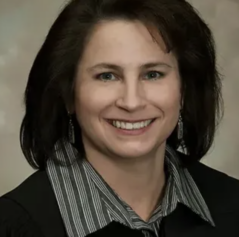
Jones-Brown is a former New Jersey prosecutor and professor at John Jay College of Criminal Justice in New York. She says the size of the police department and the community it serves contributes to its reliance on no-knock search warrants.
“There’s plentiful evidence now that the police department do not see the homes of people who are unfortunate enough to live in low-income spaces particularly those that are urban, they don’t value the privacy of those individuals as they do people who live in more affluent spaces,” Jones-Brown said.
Jones-Brown says there is a greater chance people hurt or killed during no-knock raids are likely to be Black. “The presumption of the Black man and Black woman that the police become involved with is they’re guilty and dangerous. It’s bad enough you’re presumed to be guilty, but you’re also presumed to be dangerous and that to me is driving the disproportionate number,” she said.
Policy and legislative change are some of the most effective ways to curtail no-knock warrants. Jones-Brown admits warrant approvals by judges could limit how many no-knock warrants that are granted. “Judges are supposed to do an independent assessment of the evidence presented to them in a warrant request, but they have been found to simply rubber stamp whatever the police want,” Jones-Brown said.
In September 2021, the Department of Justice announced policy limits on circumstances federal law enforcement can use chokeholds and no-knock entries.
In June 2020, Louisville, Kentucky, banned no-knock warrants with Breonna’s Law. Most states today allow no-knock warrants in some form, but last year, 22 states and 20 cities introduced legislation restricting or banning no-knock warrants according to the Council on Criminal Justice.
More news from our partners:
Sashi Brown Becomes Just the Second Black Team President in NFL History With Baltimore Ravens Hire