Former Black Panther and political prisoner Russell “Maroon” Shoatz has died at the age of 78. The activist, who was also a Black Liberation Army member, succumbed to cancer on Dec. 17, 52 days after being released from prison.
The death announcement on Dec. 23 revealed a judge granted him a “compassionate release” on Oct. 26 due to stage 4 colorectal cancer. The court allowed him to relocate from a Pennsylvania state prison to hospice care for treatment.
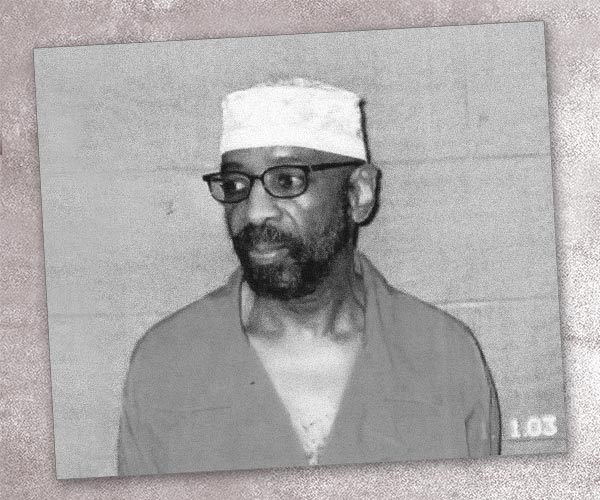
Shoatz’s son, Russell Shoatz III, spoke to the press about the prison’s inability to properly care for his father and that his release speaks to that inadequacy. He said, “What’s in the transcripts are the evidence that the prisons don’t have the capabilities to take care not just of their healthy prisoners.”
“They definitely don’t have the ability to take care of their geriatric prisoners,” he continued. “And that they have effectively killed my father.”
His funeral service and Janazah prayer were held on Monday, Dec. 20, at the Philadelphia Masjid in West Philly. He was laid to final rest at the Friends Southwestern Burial Ground in Upper Darby, Pennsylvania.
Shoatz had been incarcerated for 50 years after receiving a life sentence for an attack on a Philadelphia police station in 1970. The altercation left one officer wounded and another one dead.
Advocates working to change life without parole rules call such sentences Death by Incarceration. Shoatz dedicated much of his life to this work. In 1983, the Amsterdam News reports, he became president of the Pennsylvania Association of Lifers (PAL). This collective lobbied to abolish life-without-parole sentences and solitary confinement.
During his imprisonment, he earned the nickname “Maroon,” based on the African-Jamaican group that self-emancipated from Spanish slavery in 1655 (after the British acquired the land) and established a community in the mountains of the island. Shoatz escaped twice: once in 1977 and again in 1980. After being brought back the second time, he was placed in solitary confinement.
He stayed in solitary confinement for 22 consecutive years from 1992 to 2014.
After release from solitary confinement, he sued the Department of Corrections for cruel and unusual punishment. From the state, he received $99,000 in damages and a permanent reprieve from solitary confinement.
More news from our partners:
New Orleans Saints’ Deonte Harris Surprises Stepfather With Special Gift | Now Off Suspension


