A mostly Black Illinois community is fighting back via litigation after raw sewage allegedly discharged by a water utility company has polluted their neighborhood for years.
In late July, three organizations filed a lawsuit against water utility company Commonfields of Cahokia and Cahokia Heights on behalf of Centreville Citizens for Change.
Cahokia Heights, a Black suburb located across the Mississippi River from St. Louis, is composed of Alorton, Cahokia and Centreville, which merged earlier this year. Centerville, with a population of about 5,000, is 93 percent Black. The suit alleges the water utility company has discharged raw sewage into the area in violation of the Clean Water Act.
About 54 homes in a 4.29 square-mile region have dealt with raw sewage in their yards and homes for years. Leaking manholes and malfunctioning pump systems are to blame for the issue, according to the suit. The sewage is then allowed to flow into tributaries that merge with the Mississippi River, which violates the Clean Water Act.
Sharon and Bobby Smith, Cahokia residents, told NBC they haven’t been able to flush their toilet normally in over a year. Their home floods regularly but even in dry weather, sewage clogs pipes and leaves a lingering odor. Flooding and the chronic raw sewage problem is common among homes in Cahokia, and has prompted more than two dozen citizens, including to Smiths, to file the lawsuit.
The suit was filed by Equity Legal Services, Earthjustice and the Metropolitan St. Louis Equal Housing & Opportunity Council in the U.S. District Court, Southern District of Illinois.
The suit alleges, “raw sewage pools in yards, bubbles out of manholes, runs down neighborhood roadside ditches, and backs up into tubs, toilets, and sinks. … On one residential street, North 82nd Street, a fountain of raw sewage spews from Defendant Commonfields of Cahokia Public Water District’s … sewage system on a nearly daily basis, even during dry weather conditions.”
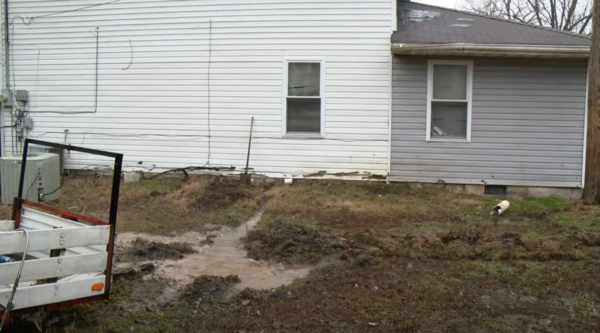
The suit seeks to stop the discharges and seeks damages for the “many harms” suffered by Cahokia residents as a result of the problems. Local lawmakers have said the failure to fix the years-long problem in the mostly Black and low-income neighborhood is a “textbook example of environmental racism.”
In June, another lawsuit was filed against the Commonfields company and local government, alleging they were responsible for fixing the problem. The suit also asked the court to stop the defendants from diverting storm water to their properties and to replace pump or lift stations in a 30-day period.
By late July, residents said at a press conference that no changes had been made except for the clearing of a canal.
Yvette Lyles, who has lived in the area for 28 years, said the living conditions are “inhumane.”
“The American Dream was to work on a home and enjoy your home, not to become entrapped and enslaved by home repairs,” Lyles told the Bellville News-Democrat. ”We all need help and we deserve it. We live in the United States of America and we deserve to live like everyone else does.”
For many residents, the constant flooding has led to mold growth and repetitive, expensive home repairs. Some Cahokia residents don’t drink or use water from the tap, and have relied in part on bottled water donations collected by the Urban League of Metropolitan St. Louis.
The damage has only festered over the years and has become increasingly extensive. According to an engineer who surveyed the damage, 70 pump stations need to be repaired or replaced, 13 miles of sewer must be repaired, and 8 miles of new lines must be installed.
Voters decided in April to dissolve Commonfields, and officials are working toward replacing the agency. The company and the city have asked the court for an extension in responding to the complaints in the suit.
The Environmental Protection Agency has stepped in twice this month and issued two separate orders requiring that Cahokia’s sanitary system be fixed, and that drinking water for residents be protected.
“With this enforcement action, EPA is rightfully recognizing that the people of Cahokia Heights’ health is the highest priority and is currently endangered by the state of their crumbling water systems,” said U.S. Sen. Tammy Duckworth in the most recent order.
“Although this is a necessary step, it is a shame that these residents are in this situation at all. I am hopeful this action will help the city get back on the right track toward compliance and improving residents’ lives. I remain deeply concerned with the safety of the people of this city and the management of Cahokia Heights’ water systems. I will continue to work with the residents, local and state officials as well as EPA to make sure this system is repaired and the community health is protected.”


