A Black man is dead by possible suicide after attempting to seek help from a local hospital more than once for mental health related issues and reportedly being refused, and his family points to racism as the reason behind the tragedy.
Samwel Uko, a 20-year-old college football player, took his life in May 2020, after multiple attempts to receive treatment for “depression, anxiety, and sleeping” issues, according to reports. Uko arrived at the Regina General Hospital twice on May 21, clearly stating that he needed help and was mentally ill both times — which were captured on video. After being turned away both times, his body was found in Wascana Lake. His death was ruled a suicide by drowning and now his family is seeking legal justice.
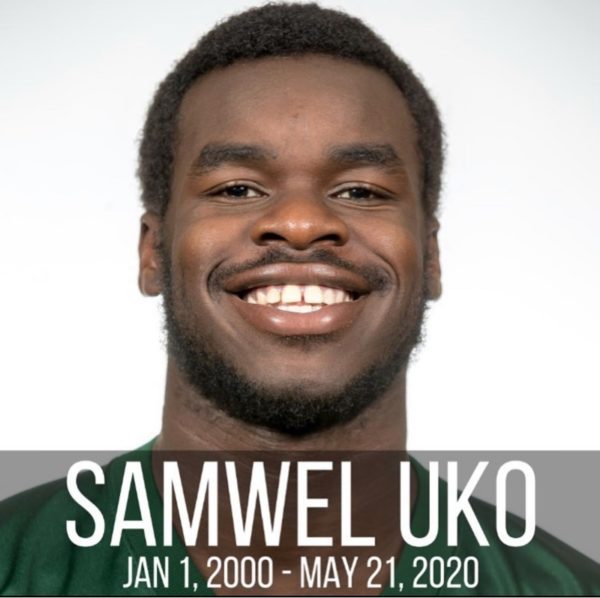
Uko, who played for Canadian Junior Football team the Langley Rams, is seen during his first hospital visit in a Snapchat video he shared repeatedly saying “I need help” before a woman who appears to be a nurse asks him why he’s taking a picture. He reportedly sought help that morning as a result of “having trouble sleeping due to chronic pain from a previous car accident and was struggling with depression.” After telling staff he was not experiencing suicidal thoughts, he was discharged with medication and mental health resources, including being told to return to the hospital if he felt worse.
Later that same day, Uko allegedly called the police, citing mental health concerns and was escorted back to the hospital. After allegedly refusing to give nurses his name, he could be seen on hospital security footage being forcibly removed by four security guards as he pleaded for help and to be left alone.
The evening of May 21, Uko’s body was recovered from the lake, an apparent suicide.
The family of the college football player feels that Uko’s pleas were left ignored because he was a Black man. They have filed suit against the Saskatchewan Health Authority over Uko’s death.
“They didn’t care. Because it’s Black people,” Uko’s mother Joice Bakando said. “I know my son. He doesn’t talk bad to people. He’s very, very nice… all the time, when I’m sleeping, I’m thinking of my son.”
“If someone had a different skin tone and they were sitting there, they would have helped. It’s not something we want to debate, or talk about, it’s just reality,” said Samwel’s uncle, Justin Nyee. “The doctors there didn’t care; the nurses didn’t care, nobody cared because of who he is.”
The Saskatchewan Health Authority has admitted that it failed Uko in many respects, but denies that racism played any role in the tragic incident. “The SHA admits that it failed to meet the standard of care as it failed to provide the necessary follow-up care and assessment that was required,” reads a statement from the health authority.
The provincial health authority’s CEO Scott Livingstone apologized to Samwel’s family and also noted that the health system “failed to provide him the timely assistance he needed. I appreciate there are no words that can bring Samwel back, but I want you to know that we recognize how deeply we failed him,” he wrote in his letter.
According to documents obtained by CBC, Uko’s family received over $80,000 in payments from SHA under Saskatchewan’s Fatal Accidents Act, to cover areas such as funeral expenses and grief counseling, however, there are still lingering questions that they want to be answered.
“What happened to the people working that day? If they would have helped him, he would not have went and committed suicide,” Nyee said. “We did not hear anything from the hospital about that. It’s kind of like, yeah, we apologized, we covered it up, let’s go to the next thing.”
A coroner’s inquest into the circumstances surrounding Uko’s death is currently scheduled to begin on Sept. 20.


