On June 18 a group of 11 mayors called Mayors Organized for Reparations and Equity pledged to pay reparations to some Black residents in their cities.
The pledge is the largest city-led reparations in U.S. history, and includes mayors from across the country, including Los Angeles, St. Louis, St. Paul, and Austin, and is led by Los Angeles Mayor Eric Garcetti and Denver Mayor Michael Hancock.
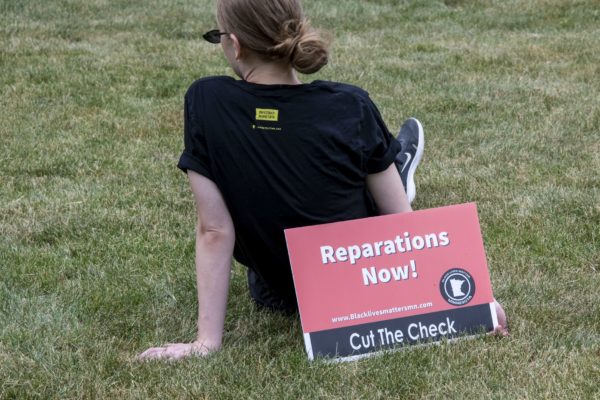
The mayors’ efforts, announced at a press conference, are intended to “serve as high-profile demonstrations for how the country can more quickly move from conversation to action on reparations for Black Americans,” the website says.
“Our coalition stands on the belief that cities can — and should — act as laboratories for bold ideas that can be transformative for racial and economic justice on a larger scale, and demonstrate for the country how to pursue and improve initiatives that take a reparatory approach to confronting and dismantling structural and institutional racism.”
One unique city taking part in the program, Tullahasse, Oklahoma, led by Mayor Keisha Currin, is home to just 200 people. It’s described as the oldest of the surviving all-Black towns in states founded after the Civil War.
“Slavery has played a huge part in my family and in my community,” Currin said. “This program is going to show our community that we care.”
The announcement about the coalition came as some Americans celebrated Juneteenth, which commemorates June 19, 1865, the day the U.S. Army issued an order to slaveholders in Texas commanding them to free the remaining African-Americans in the state who languished in bondage since the effective end of the Civil War two months earlier. This year the date became a federal holiday.
So far the mayors have not offered any details about how much fulfilling the pledge would cost, how it would be paid for, or how those receiving reparations would be selected.
Local commissioners made up from representatives of Black-led organizations in each city would be tasked with advising the mayor of certain details.
“Let me be clear: Cities will never have the funds to pay for reparations on our own,” Garcetti said in a news conference Friday to announce the group. “When we have the laboratories of cities show that there is much more to embrace than to fear, we know that we can inspire national action as well.”
Over the past year, some cities have moved closer to reparations than ever before.
In March, Evanston, Illinois, became the first city to make reparations available to Black residents, in the form of indirect payments, including housing grants.
Asheville, North Carolina became the first city in the south to back reparations when the city council apologized for the city’s role in slavery and approved reparations for Black residents last year. Earlier this month the city took another historical step when it approved $2.1 million toward funding reparations.
“Black Americans don’t need another study that sits on a shelf,” said St. Louis Mayor Tishaura Jones, the city’s first Black female mayor and a member of the coalition. “We need decisive action to address the racial wealth gap holding communities back across our country.”


