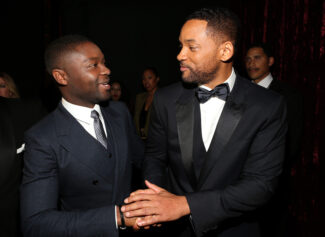
Diversity was the overarching theme of this year’s film and television awards season. The Emmys saw a record of 35 Black actors nominated, and the Oscars with six Black actors nominated in some of the most vied-for categories.
But just a short seven years ago that level of acknowledgment of Black creatives was only a mere dream. “Selma” star David Oyelowo bore witness to the moment #OscarsSoWhite became a trending topic across social media as he and other people of color were snubbed at the 2015 and 2016 Oscars. “Inadvertently, unwittingly, myself, Ava DuVernay, the film, were sort of at the start of something that indisputably went about to bring about change,” Oyelowo told Yahoo! Entertainment.
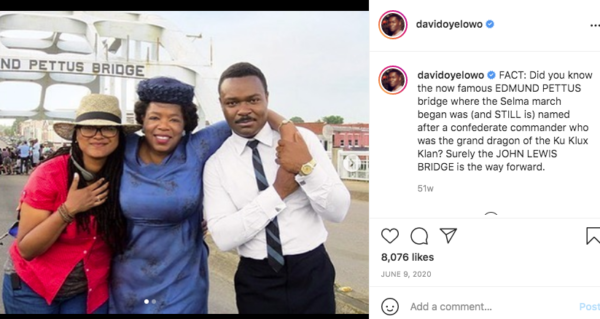
At the time, Oyelowo was riding a wave of critical acclaim for his portrayal of Dr. Martin Luther King Jr. in the film that told the story behind the 1965 Selma to Montgomery marches Alabama. Yet rave reviews did not equate to more than two Oscar nominations for the film directed by Ava Duvernay, which brought in $66.8 million at the U.S. box office.
“Being of Nigerian descent, born in the U.K. — playing a character of that stature, that nature or that fame was not something I anticipated. It was huge,” he continued. But what was even larger was the fight to level the Hollywood playing field where seemingly only white film professionals were deemed outstanding by their peers and the Academy of Motion Pictures Arts & Sciences.
“It was bloodily fought. That Academy did not want to, or certain factions in the Academy, did not want to yield to the notion of change,” said Oyelowo, who made his directorial debut this year with “The Water Man.” “Thankfully we had someone like Cheryl Boone Isaacs as the president at the time, and that change did come about.”
At the time, Boone served as the academy president. She told The New York Times that while diversity was needed, it was a task to get members of the academy to see their implicit voting biases. “That was the industry: You’d scan around the room, and everyone looked the same. But people didn’t get what was going on. Members would say, ‘We’re professionals — we just vote for who’s best,’” said Boone.
But as the Black Lives Matter movement erupted, Hollywood’s decision-makers woke up to see the lack of representation of society through films and television shows.
“So much of the change happening in the world right now, you just have to attribute it to what the internet has done by way of disseminating information,” said Oyelowo. He attributes much of the diversity success seen on the screen and at awards shows to audiences sending a clear message online: Black lives and Black representation matter.
“Even the recent conviction of Derek Chauvin for murdering George Floyd, that just simply doesn’t happen if the public aren’t as aware as they were because the footage was there,” he added. “Because social media is there. … People now have the veil lifted as to why the world we live in is the way it is.”