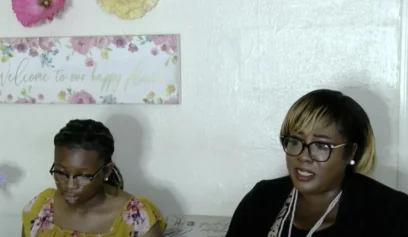
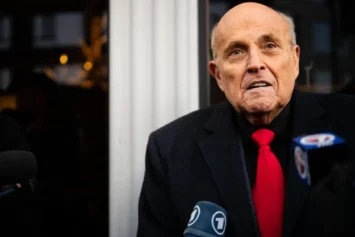
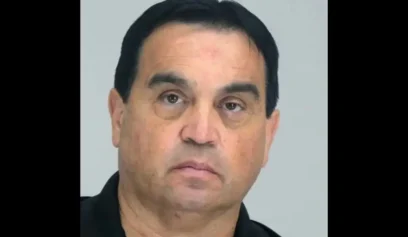
The family of a young woman who died in 2014 in a Louisiana jail just months after giving birth says they have not been permitted to see their deceased relative’s now-7-year-old child despite their efforts, a local station is reporting.
Nimali Henry was a 19-year-old mother of a 4-month-old baby when she died of a rare but treatable blood disorder in her cell 10 days after arriving at the St. Bernard Parish Jail on April 1, 2014, and after deputies ignored her pleas for medical treatment.
Four of the former St. Bernard Sheriff’s Department deputies who were responsible for Henry were sentenced on March 11 in connection with her death after pleading guilty to federal charges.
Now, seven years later, Henry’s family says their only encounter with the child since her mother’s death was a chance meeting at a dentist’s office near where Henry’s grandmother lives.
According to Henry’s sister Deshawna Henry, the family wasn’t even permitted to bring her infant daughter Nilijah to her mother’s funeral.
“We couldn’t even have Nilijah for the funeral. We couldn’t take her with us,” she said to CBS affiliate WWL-TV recently.
“It’s been seven years,” Henry’s sister said. “I haven’t seen my niece. I haven’t held her. I haven’t … nothing.”

Nimali’s family told the station she had a rocky relationship history with her daughter’s father and the pair had split up soon after their daughter was born. After Nimali was released from a hospital stay in March 2014, she went to retrieve Nilijah. The baby was staying with her father, Nicholas Conners, who is white, and Henry found him at home with a new girlfriend, Chelsea Lefebvre. Nimali and Conners argued and fought that day, according to police reports, and she left without her daughter after Conners called the St. Bernard Sheriff’s deputies on her.
When Nimali tried two days later to pick up her daughter, this time she was told the baby was with Conners and Lefebvre at Lefebvre’s residence. The couple provided Nimali with the address, but once she got there they refused to let her see Nilijah, according to cellphone video evidence and a sheriff’s department report. Another altercation ensued between Henry and Lefebvre and Conners against called the sheriff’s department.
Nimali again left without her daughter before deputies showed up. Originally, Conners told deputies he didn’t want to press charges, but he later called the sheriff’s office saying he wanted her arrested.
She faced minor charges including simple battery, disturbing the peace and unauthorized entry, and her bond was set high at $25,000 — more than her family could afford, despite the fact that she had a clean a record.
WWL-TV reports that records in St. Bernard Parish show that bond in most domestic disturbance cases with a simple battery is set at $1,000 or less.
Two months before her arrest, Henry had been diagnosed with a life-threatening blood disorder known as TTP, thrombotic thrombocytopenic purpura, which requires special medication. During her stay at the jail, her family tried desperately to ensure she got the medicine she needed, but the pleas were ignored.
The four deputies convicted in Henry’s death include Capt. Andre Dominick, Corporal Timothy Williams and deputies Debra Becnel and Lisa Vacarella, who were also charged with lying to the FBI. Vacarella told agents she’d seen Henry walking fine when in reality she’d watched her collapse on the floor then closed the door on her.
Grainy footage played during the trial shows Nimali passing out and bleeding on a hard bunk in her cell. Both Henry and fellow inmates pleaded for help but jail staffers accused her of faking her symptoms and denied her medical attention until her death.
“They knew. They ignored her and they watched her die,” her aunt Shea Abraham told WWL-TV.
In March, Dominick, who also was serving as the jail medical officer at the time of Nimali’s death, was given five years for violating het civil rights. Williams, the first to plead guilty, was sentenced to four years and nine months. Becnel and Vacarella were sentenced to three and 21 months, respectively, for lying to the FBI.
In May 2014, after Lefebvre and Conners split up, he filed papers to claim Henry’s property and establish himself as Nilijah’s sole custodian. The following year he filed a wrongful death lawsuit against the sheriff’s office that asks for $18 million in damages. The child is currently in the care of her paternal grandparents.
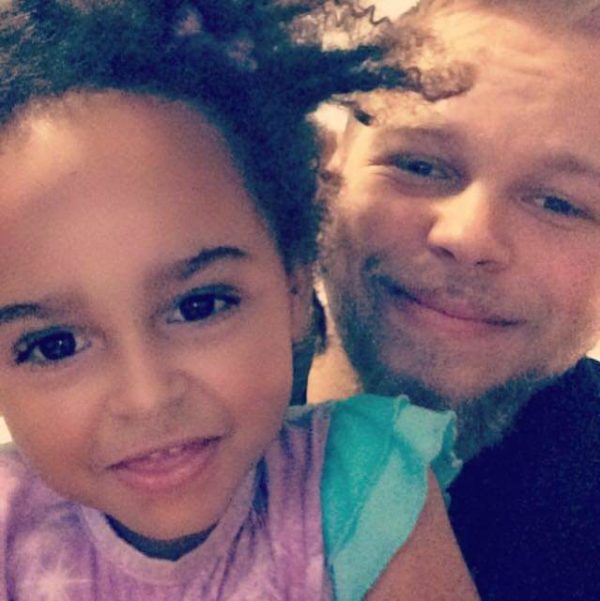
Henry’s family hasn’t filed any lawsuits. Her grandmother, Prisca Anslem, told WWL-TV Conners once told her “Well, you will never see Nilijah.”
“So he told me from his own mouth, I will never see Nilijah,” Anslem added.
Henry’s uncle Kerwin Walters is raising a daughter Nilijah’s age. “We want you in our life so bad it hurts,” he told the station. Text messages reportedly show that communication between Walters and Conners and his family quickly devolved after Henry’s death. Walters says he attempted to meet Nilijah at one point, but Conners and his parents stood him up.
Henry’s family has accused Conners and his family of profiting off of her death after they did not participate in her funeral or burial. The Conners are behind a fundraising website called Justice 4 Nimali.
“Now you’re promoting Black Lives Matter?” Walters asked. “Because the mother’s life didn’t matter when you called the police and sent her to jail.”
An Instagram page of the same name features images of Nilijah and includes a link to the website in the bio.
The paternal family has issued a statement saying their primary focus has always been “the physical, mental health, and well-being of Nimali’s daughter.”