A Kentucky state Senate committee passed a bill last week that would make it a crime to insult or taunt a police officer in any way that might provoke a violent response.
Supporters of the bill claim it’s aimed at punishing those who “cross the line” unlawfully, while critics say the legislation would violate protesters’ First Amendment rights.
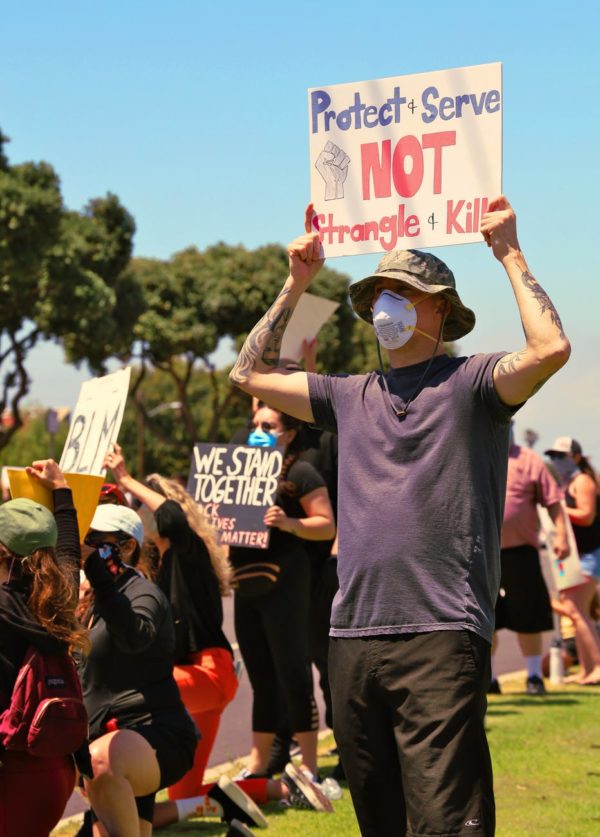
Under Senate Bill 211, a person who “accosts, insults, taunts, or challenges a law enforcement officer with offensive or derisive words, or by gestures or other physical contact, that would have a direct tendency to provoke a violent response from the perspective of a reasonable and prudent person,” would be guilty of second-degree disorderly conduct and could spend up to 90 days in jail.
A person convicted of the Class B misdemeanor could also face a $250 fine and be disqualified from receiving public benefits for a three-month period.
The American Civil Liberties Union said in a statement on Twitter that the “extreme bill” would be used to “stifle dissent.”
The provision is only a part of a larger bill aimed at increasing penalties for riot-related crimes. The bill also contains a provision requiring governments to “maintain and improve their respective financial support” for law enforcement agencies amid calls for defunding the police.
The bill passed out of the Senate’s Veterans, Military Affairs and Public Protection Committee on Thursday by a vote of 7-3. Only Republicans supported the bill. The bill could be passed in the Senate this week, and would then move to the House. Both chambers are under Republican control.
State Sen. David Carroll, who is sponsoring the bill, told the Louisville Courier-Journal that the bill is a response to protests that broke out across the country last year. Louisville in particular was the site of a large number of demonstrations in the months following Breonna Taylor’s death last March at the hands of Louisville police.
“This country was built on lawful protest, and it’s something that we must maintain — our citizens’ right to do so,” Carroll told the Courier-Journal. “What this deals with are those who cross the line and commit criminal acts.”
The amended bill B 211 no longer contains previous controversial language making it a crime to camp overnight on non-campground state property after critics said the provision criminalized the homeless.