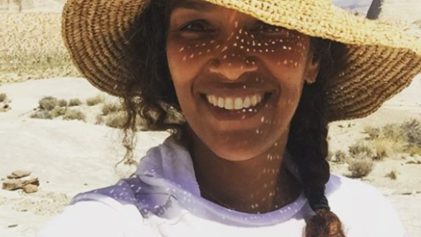
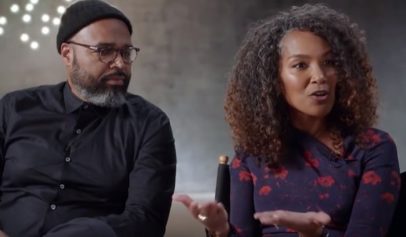
For three decades Mara Brock Akil has breathed life into characters and sowed seeds of resemblance through the words she has written and shows created to reflect the realities of Black people.
From the early years of her career starting out as a writer for shows like “South Central” and “Moesha,” Brock Akil understood that representation mattered, and that Black narratives can thrive with intention.
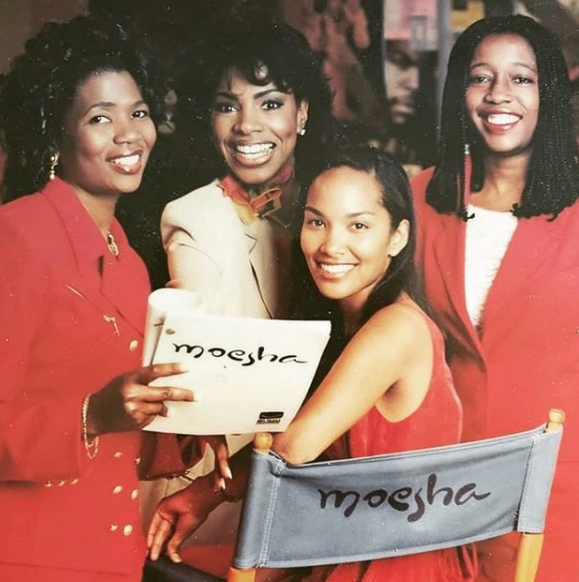
In many ways the creator’s success and mentorship paved a path for the future Black creatives shattering molds for television success. Both Kenya Barris, creator of “Black-ish” and its spin offs, and Prentice Penny, showrunner for “Insecure,” were once under the tutelage of Brock Akil.
“I’m very proud of this next generation of storytellers who are still here carving out new space, creating more stories of that humanity,” Brock Akil told The Huffington Post. “I’m still in my stride. To build on the legacy of what we always knew from the beginning is that our stories are valuable, our stories are needed and they’re universal.”
Show after show Brock Akil has championed Black female characters. In March 2020, she explained to Rolling Out why inspiring and showcasing Black women is at the crux of her shows.
“This is my tribe,” she said. “I think my message is a bit of trying to remind ourselves to be good to ourselves first while in the quest of being better, more ambitious and more successful.” Shows like “Girlfriends” and “Being Mary Jane” both showed Black women chasing and at times obtaining their career goals; she also explores the nuanced relationship Black women share with one another while navigating career, romance and professional aspirations.
Although this revered writer’s past is celebrated, she is far from done creating magic with her words and visions for the television screen. In September 2020 it was announced Brock Akil had inked a multi-year deal with streaming giant Netflix to create new scripted content.
She told the Hollywood Reporter, “I’m excited to have a home that allows me the creative freedom and support to do what I do best: paint portraits and murals of women, Black people and anyone else whose story is missing from this golden age of television.”