Civil rights activist Bruce Carver Boynton, whose lawsuit helped inspire the Freedom Rides in 1961, is dead at age 83.
Boynton’s battle with cancer ended on Monday morning at a hospital in Montgomery, Alabama, the same day he was to have been honored by a courthouse in his native Selma being renamed after him and another prominent Black lawyer and civil rights figure, J.L. Chestnut.
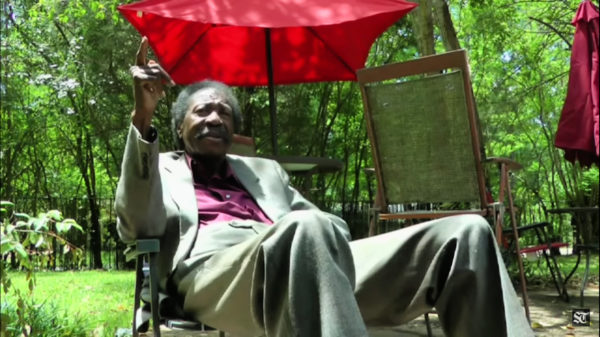
“There is a sadness. His was a tremendous life well lived. We’re happy he’s no longer in pain but I’m also amazed at his fight and his strength and that he continued to fight and write even after the initial diagnosis of cancer,” his daughter, Carver Boynton, told the outlet.
“From being a student in law school until his passing, he really dedicated his life to civil rights and defending the rights of others.”
Boynton was born on June 19, 1937, in Selma, Alabama, to Amelia and S.W. Boynton, prominent members of the civil rights movement. Amelia Boynton was infamously beaten by Alabama state troopers in 1965 during what became known as Bloody Sunday. Late congressman John Lewis was also present and assaulted on that day. She died in 2015 at age 104. Amelia Boynton attended college at the Tuskegee Institute and studied under famed agricultural scientist George Washington Carver, who became Bruce Boynton’s godfather.
Bruce Boynton was arrested in 1958 after he refused to leave the whites-only area of a restaurant located in a bus station in Richmond, Virginia. He sat in the “clinically clean” whites-only section after he noticed the area reserved for Black customers was “very unsanitary.”
When he sat down, he asked a waitress for a cheeseburger with a tea. Instead, she alerted her manager, who demanded Boynton leave.
“She left and came back with the manager. The manager poked his finger in my face and said ‘N—-r, move,'” he recalled to The Associated Press in 2018. “And I knew that I would not move and I refused to, and that was the case.”
He was later convicted of trespassing, which he appealed in a case that went to the Supreme Court in 1960. Boynton was represented by Thurgood Marshall, who was the lead NAACP Legal Defense Fund attorney at the time. In a 7-2 decision in Boynton v. Virginia, the Supreme Court ruled federal anti-discrimination laws that desegregated buses also applied to bus stations and other interstate travel facilities.
The Freedom Rides started the following year, African-Americans boarded interstate buses in the South to test whether the recently enacted laws were being followed. Riders were often subjected to violence and harassment while they were doing their work. John F. Kennedy, who was president at the time, eventually mandated stricter enforcement of anti-discrimination laws.
Bruce Boynton was a final-year law student at Howard University at the time of his arrest, and after the controversy he wasn’t allowed to practice law in Alabama even though he’d passed the bar. He moved to Tennessee and practiced there until the Alabama bar finally admitted him in 1966.
Bruce Boynton is survived by his wife Betty and two daughters. Funeral arrangements have not been finalized.


