Newly released audio of interviews that followed the death of Breonna Taylor are revealing additional details related to the case.
Taylor died in March after she was shot during a drug raid led by Louisville Metro Police Sgt. Jon Mattingly. NBC News acquired audio recordings of interviews police conducted with Mattingly and Kenneth Walker, Taylor’s boyfriend.
Walker’s attorney provided NBC News with expanded versions of police interviews released by prosecutors in May, including the complete 98-minute police interview with Walker, as well as the entirety of Mattingly’s 40-minute interview with department investigators. NBC released the interviews on July 9.
Nearly two weeks after the shooting, Mattingly — with his attorney present — sat for an interview with investigators from his department in which he described how he and several other officers knocked for about 45 seconds and identified themselves before they used a battering ram to enter the apartment. Mattingly said the officers were under the impression Taylor would be alone “because they knew where their target was and I guess they thought that he was her only boyfriend or only acquaintance.” Her home was reportedly considered a “soft target.”
However, Walker told interviewers he did not hear any announcement, only banging at the door and no responses to his questioning about who was creating the racket.
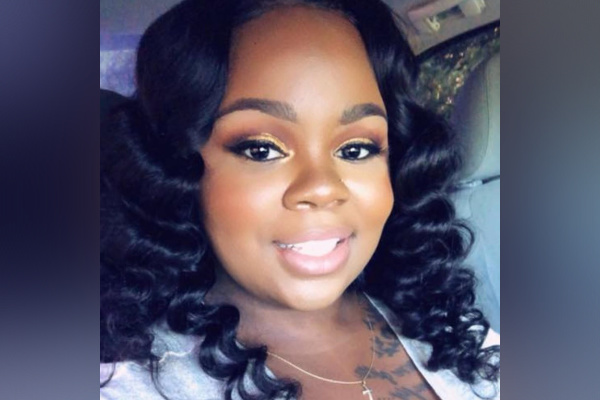
Walker, who was interviewed the same night as the shooting and spoke to police without a lawyer after waiving his Miranda rights, told investigators he and Taylor had gotten out of bed and reached the apartment hallway when he fired a warning shot as the door was breached, thinking he was dealing with a criminal home invasion. The shot hit Mattingly in the leg, and the three officers who entered returned fire. The officers fired at least 16 rounds into the apartment, and ten of them came from one officer, Sgt. Brett Hankinson. Hankinson was fired in June for “wantonly and blindly” shooting during the incident. Taylor was hit eight times, killing her. Walker was not wounded. He was arrested and charged with attempted murder for Mattingly’s injury, but the charges were dropped in May.
Mattingly’s interview reveals he also told investigators that he never saw his fellow officers shoot, but he heard a barrage after he had stumbled to the curb to tend to his leg injury. This tends to corroborate the claims of neighbors who told 911 dispatchers they heard “reload” and a second round of gunfire, NBC reported.
At one point during Walker’s interview, he said a plainclothes officer at the scene told him just before he was driven away by police that there had been a “misunderstanding.”
“I’m not an idiot,” Walker told the investigators about the comment. “They figured out something. They did something wrong.”
None of the officers involved in the raid have been charged for Taylor’s death. Tamika Palmer, her mother filed a lawsuit against the police department last month.
The FBI and state attorney general are currently investigating Taylor’s death.