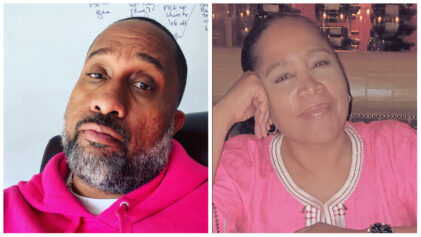
Kenya Barris has been knee-deep in controversy about his new Netflix show “#blackAF” since it was announced. He responded again to it during an interview on T.I.’s “expediTIously” podcast that surfaced online Wednesday, April 29.
Rashida Jones plays Barris’ wife, and most of the actors who play his children have fair complexions.
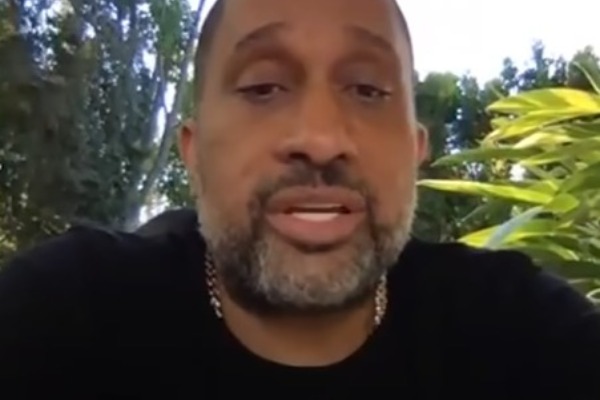
Barris — who’s the creator of “Black-ish,” “Grown-ish” and “Mixed-ish” — said that while he understands how important the issue of colorism is to people, he feels the backlash has been misapplied to him. He explained that the cast wasn’t selected just for their acting skills but there was another reason they were chosen.
“This is based on my family,” he told T.I. at around the 9:54 mark. “She’s playing a version of my wife, who’s biracial. … She’s playing a version of that character. My kids, what Rashida and I could produce, look like those kids, who are amazing. … I talked about, like, informing ourselves a little bit more.”
Barris and Dr. Raina Edwards-Barris, an anesthesiologist, announced last year that they were divorcing after 20 years of marriage. The two have six children.
“I think everyone’s experience and everyone’s opinion in terms of, you know, colorism are real, and I understand that, but if you just dug a little bit under the surface, you would understand that this was based upon, it’s biographical. … I was trying to duplicate a version of what my family was,” said Barris.
The cast of the show was announced late last year, and the colorism accusations quickly followed. A new wave of criticism came when it premiered in April.
“I’m over the somewhat dark skin dad, light skin mom, and mixed kids narrative that is supposed to represent the Black family. Kenya Barris literally writes the same narrative, but with different actors/actresses,” read one person’s tweet. “He really tried it with #blackAF.”
Barris told T.I. that he wants people to give him their honest feedback of “#blackAF,” but he also wants them to research and learn why he chose those specific actors.
“I think that would have calmed a lot of the natives, but at the same time, I think it’s important that it didn’t, ’cause it speaks to the ideas that there is so much colorism in the world, and it shows how important this is to people, so I take the good with the bad,” he explained. “The ignorant I have a little bit of a problem with, but I take opinions good with the bad, because if you listen to any of them you gotta listen to all of them.”
The biracial Jones — who’s the daughter of Quincy Jones and the late Peggy Lipton, an actress — hasn’t responded to the criticism surrounding the show or her character yet, but she told Variety that some of the storylines on “#blackAF” pull from Barris’ life and her own.
“Kenya and I have talked a lot about first- and second-generation black wealth and how it intersects in Hollywood and what that means and what that feels like,” she said last month. “The pressure and the dysfunction that can come from that.”