Students across Oklahoma will soon learn about a dark moment in the state’s history that has long gone unmentioned — until now.
On Wednesday, state legislators announced plans to move forward with an initiative that would feature the history of the 1921 Tulsa Race Massacre as part of the public school curriculum. The new framework, which the state’s education department will soon release statewide, will equip teachers with the resources and support they need to properly teach what’s described as one of the worst instances of racial violence in American history.
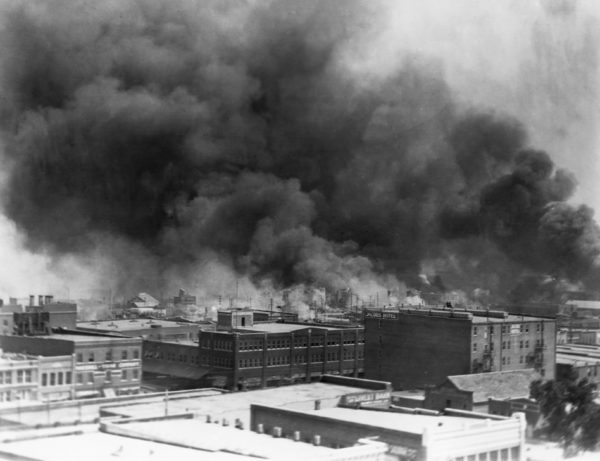
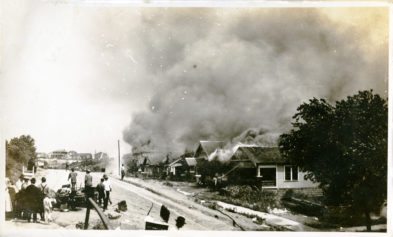
The massacre unfolded June 1, 1921, when an angry white mob besieged Tulsa’s Greenwood District, an affluent African-American community also known as “Black Wall Street.” The thriving neighborhood of schools, homes and businesses was looted and burned to the ground amid claims that a Black man had assaulted a white woman.
An estimated 300 people, the majority of them Black, were killed and hundreds of others unaccounted for.
For decades, details of the deadly massacre have been swept under the rug. Oklahoma Sen. James Lankford recently spoke with local station KFOR about the de facto embargo placed on the massacre.
“Oklahoma schools did not talk about it,” Lankford explained. “In fact, the newspapers didn’t even print any information about the Tulsa Race Riot. It was completely ignored. It was one of those horrible events that everyone wanted to just sweep under the rug and ignore.”
State Sen. Kevin Matthews has described the tragedy as “Tulsa’s dirty secret.”
Oklahoma officials are working to change that and, on Wednesday, revealed their first steps at ensuring the history of the massacre is taught in school. This fall, students in grades K-12 will begin hearing lessons about the tragic event.
Tulsa Public Schools had already started teaching the material via a pilot program that’s expected to launch statewide starting in April, CNN reports. District Superintendent Deborah A. Gist said she’d never learned about the 1921 race massacre until she started teaching in Florida, despite growing up in Tulsa.
“What I’m deeply committed to in Tulsa Public Schools is making sure that never happens again,” she told the outlet.
As part of the curriculum framework, educators will receive “extra support and resources” to effectively teach about the massacre, according to State Superintendent Joy Hofmeister.
“What we want to ensure is that … we are teaching in a grade-appropriate level those facts that have not been taught in a way they should have been taught in Oklahoma,” Hofmeister told reporters this week. “This is … our history and we should know it.”
Folks were recently introduced to the Tulsa Race Massacre after an episode on HBO’s now-defunct “Watchmen” series highlighted the riot.
Oklahoma’s push to educate its students also comes just two months after researchers were believed to have found the mass graves of those killed in the mob violence.
“This isn’t something that you just read about in history books and think that’s something that happened 100 years ago, it can never happen again,” said Tulsa Mayor G.T Bynum, who in 2018 allocated $100,000 in city funds to search for possible mass graves of the victims.
“This is an incredibly important thing for us to have moving forward in our city,” he added of the new curriculum.