The WNBA and the Women’s National Basketball Players Association have reached a possible agreement that will give players more pay, increased revenue sharing and full compensation during maternity leave.
Reportedly, the next step is for players and the WNBA Board of Governors to approve the eight-year collective bargaining agreement, and if that happens the changes will start this season and stretch until 2027.
It was revealed that players will get a 53 percent increase in their pay. Plus, the league’s top players could be paid more than $500,000, with the average WNBA salary bumped up to about $130,000.
Players will be able to get their full salary on maternity leave too, and those who already have children will get a two-bedroom apartment during the season. They’ll also get a $5,000 yearly childcare allowance, and a place at work will be provided for mothers who nurse.
Players will receive a 50-50 split in revenues as well, which will start in 2021.
“I call it historic,” said WNBA commissioner Cathy Engelbert in an Associated Press article.
“The CBA guarantees substantial [financial] increases. The way we are paying these players is different than the past,” she added. “The top couple players are tripling [in pay] where they were. Other players are making $200,000-300,000. The average will be over $130,000. Everyone gets an increase here … You can pay your stars. That’s how the league grows.”
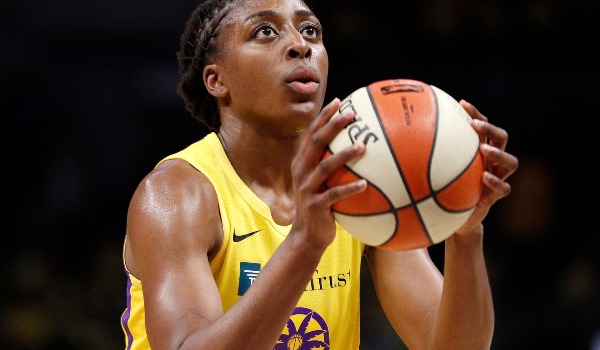
On Tuesday, Engelbert joined Los Angeles Sparks star and president of the Women’s National Basketball Players Association Nneka Ogwumike on “Good Morning America” to talk about the CBA.
“The executive committee that we have is a superstar committee,” Ogwumike told Robin Roberts. “We really represent the holistic view of a lot of the players, and we wanted to leave a legacy.”
“I think we came in understanding that it wasn’t just about the top player, it wasn’t just about the rookies, it was about every player across the board,” she added. “We want to serve as the catalyst for what we want to see in the WNBA.”


