For most people, success doesn’t just fall from the sky, nor does it come quickly, and a lot of times it takes getting a big break from someone before things really start happening.
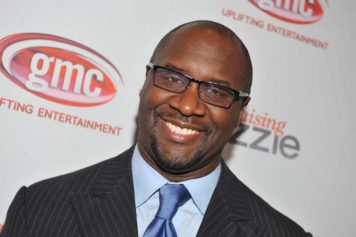
Writer, producer, director and Bobbcat Films CEO Roger Bobb talked about getting his break while speaking to Atlanta Black Star, something he said happened after he was asked to work with a new up-and-coming talent.
“My big break is when I got a call from my mentor Reuben Cannon,” Bobb explained. “Saying, ‘Hey, Roger, I’m working with this young playwright and we want you to come and work on this movie,’ and I said, ‘Great, what’s his name?’ And he said, ‘Tyler Perry,’ and the rest is history. And that was my big break.”
Since that opportunity came his way, Bobb went on to produce and co-produce a bunch of projects for Perry, including the sitcoms “Meet the Browns” and “House of Payne.”
He also worked on the film “I Can Do Bad All by Myself,” some of the “Madea” movies, “For Colored Girls,” and “Why Did I Get Married” and its sequel.
After that, Bobb worked on the “The Rickey Smiley Show” as an executive producer and on the television series “Mann and Wife.”
He directed the 2017 film “Providence Island” on top of that and produced the TV movie “Life-Size 2,” starring Tyra Banks, which is the sequel to the 2000 release “Life-Size.”
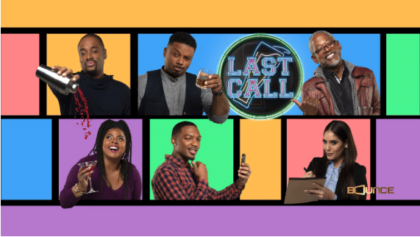
And earlier this year, Bounce aired his sitcom “Last Call,” which stars T.C. Carson, Carl Anthony Payne II and Charles Malik Whitfield.
Next, the films “Friend Request” and “Holiday Heist” will be released, which are currently in post-production, according to IMDb.
Earlier this month, Bobb attended the opening of Perry’s new Atlanta film studio, and he posted a photo from that evening to his Instagram page.