African-American homebuyers in the U.S. are more than twice as likely to be denied a home mortgage as white applicants, even when controlling for factors such as income, a recent analysis of data released by the federal government revealed.
Dissecting data published by the Federal Financial Institution’s Examination Council this month, online real estate service Clever found that 26 percent of African-Americans were denied home loans in 2016, the most recent year of available data. Meanwhile, a mere 10 percent of white homebuyers were passed up for mortgages that same year.
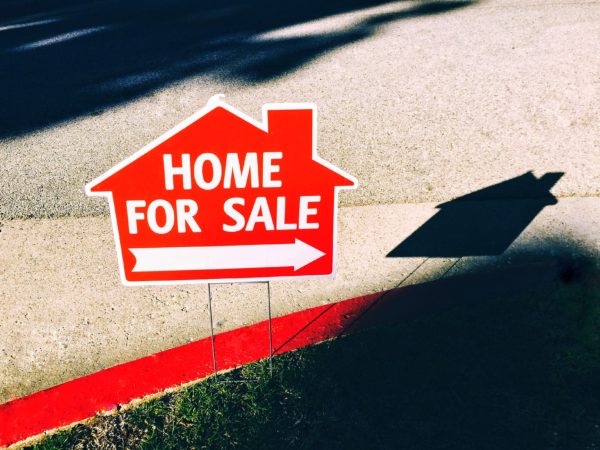
An analysis by Clever Real Estate found that not only are African-Americans denied home mortgages at higher rates, but are also less likely to apply for home loans in general. (Photo: Marilyn Volan / Getty Images )
The trend held true even when controlling for applicant incomes, according to the report. Among the applicants who brought home similar earnings, 19 percent of Blacks were denied home mortgage applications compared to just 9 percent of white applicants.
“Racial discrimination still exists in mortgage lending,” wrote Eylul Tekin, who authored the analysis.
The study, which reviewed data from more than 1.7 million home mortgage applications, found that disparities in white and Black approval rates were most pronounced in the South, while western states had much lower levels of racial disparity in mortgage approvals.
According to the report, 24 percent of Blacks were denied mortgages in the South, compared to 11 percent of whites. States including South Carolina Louisiana and Mississippi are where African-Americans are the least likely to be approved for a home loan. In contrast, there are only four states — Montana, Idaho, Hawaii, and Vermont — where the disparity in black-white approval rates is under 7 percent and white applicants are more likely to be denied credit than their Black counterparts.
The analysis noted that not only are Blacks denied mortgages at a higher rate, but they’re less likely to apply for home loans in general. The reasons for which African-American homebuyers are denied vary as well, and can range from poor credit history to insufficient funds. The study did not control for factors such as credit rating, net worth, and size of down payment.
For the most part, however, Black applicants received no reason for being denied a mortgage.
“52% of African American applicants have no exact reason their application was denied, the highest of any race,” according to Tekin’s analysis. “So while we know the most common reasons African Americans were denied mortgages were credit history and debt-to-income ratio, we don’t understand why over half of the applicants were specifically denied.”
Lastly, the report found that Blacks and Latinos are more likely to be funneled toward using high-cost loans for home purchases, putting them at greater risk for foreclosure down the road.