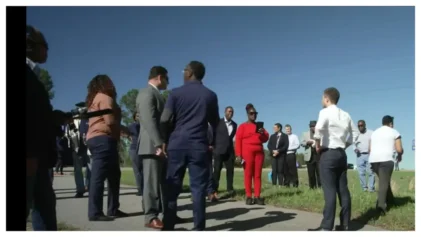
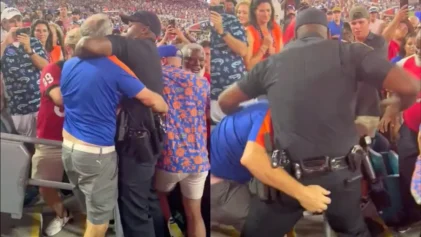
Oregon lawmakers approved a bill Monday aimed a preventing on racially-motivated calls to police.
The bill, which would allow victims to sue if they’ve had the police called on them for discriminatory reasons, received overwhelming approval from the state Senate, passing on a 27-to-1 vote June 4, Oregon Public Broadcasting reported. The House passed the legislation back in April.
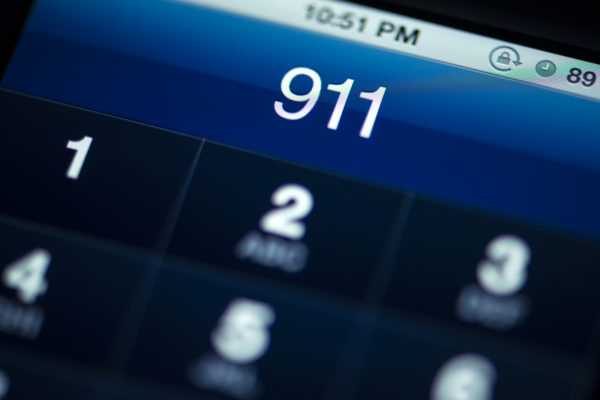
Oregon lawmakers have approved a bill aimed at cracking down on racially motivated 911 calls. (Getty Images)
Rep. Janelle Bynum (D-Clackamas), one of the bill’s chief sponsors, said the measure is meant to “shine a spotlight on an issue African-Americans have known for far too long.”
“When you get the cops called on you just for existing out in public, it sends a clear message: You don’t belong,” Bynum told the outlet via email. “We’ve seen story after story where African–Americans around the country have been targeted and had their rights violated.”
The Associated Press reported that the bill is a joint measure by Bynum, the state House’s sole Black representative, and two other Black lawmakers. The legislation comes in response to a string of publicized incidents where white people dialed police on Black folks for largely innocuous reasons, including barbecuing in the park and waiting for a friend at Starbucks.
While the bill doesn’t create criminal charges, it opens a pathway for people to sue the caller for up to $250 in damages, OPB reported. Victims must also be able to prove the caller had racist intent, and that the police were called in an effort to purposefully discriminate.
Bynum drafted the legislation after she found herself on the receiving end of such a call. The lawmaker was out canvassing door-to-door in her bid for re-election last July when a woman reported her to police, saying Bynum looked “suspicious.”
“It was just bizarre,” she told The Oregonian at the time. “It boils down to people not knowing their neighbors and people having a sense of fear in their neighborhoods, which is kind of my job to help eradicate. [But] at the end of the day, it is important for people to feel like they can talk to each other to help minimize misunderstandings.”
Bynum managed to get an apology from the woman but realized there was no system in place to hold frivolous callers accountable.
“This creates a legal pathway to justice for those of us who have to worry about getting the cops called on us for existing in public,” she said. ” I believe this bill … will hopefully lead people to think carefully before calling the police.”
Leaders in Grand Rapids, Michigan, voted on a proposed “bias crime reporting prohibition” measure in May that would make it a criminal misdemeanor to racially profile Blacks and other racial minorities by calling the police.