Black lawmakers in New York say they’ll block Gov. Andrew Cuomo’s proposal to legalize marijuana if it does not take traditional hurdles to the Black community’s success in the cannabis business into account.
Late last year, Cuomo announced plans to legalize recreational marijuana and mentioned during in a speech introducing the proposal that the criminal justice system has “for too long targeted the African-American and minority communities.”
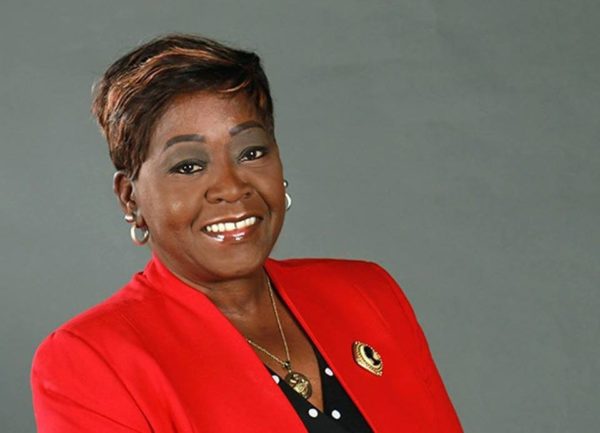
Assemblywoman Crystal Peoples-Stokes wants provisions in Gov. Andrew Cuomo’s marijuana bill to fight inequality. (Photo: Crystal D. Peoples-Stokes, NYS Assemblywoman/Facebook)
Keeping that in mind, Black lawmakers want to ensure that the new law gives non-white people a fair chance to share in the potentially lucrative $3 billion industry, according to The New York Times. Otherwise, legalization may not happen by the end of 2019. Legislators want to ensure a portion of those funds are put toward job training programs and that Black entrepreneurs will get licenses to cultivate or sell marijuana.
Should these provisions not be included, legislators feel the N.Y. bill will be no better than any of the laws passed in 10 states and Washington, D.C., which don’t have such terms in place.
“When you’re looking at the way that [marijuana] businesses are being licensed and rolled out in various states, the process is not overwhelmingly transparent and open, nor is the process easy to navigate.” Dr. Malik Burnett, a policy manager at the Drug Policy Alliance told NBC News in 2017 of the difficulties Black entrepreneurs may have with getting their foot in the door. “You have to have a well-established political relationship with the people who are writing the rules. You either have the relationships yourself or you can pay lobbyists to develop the relationships for you.”
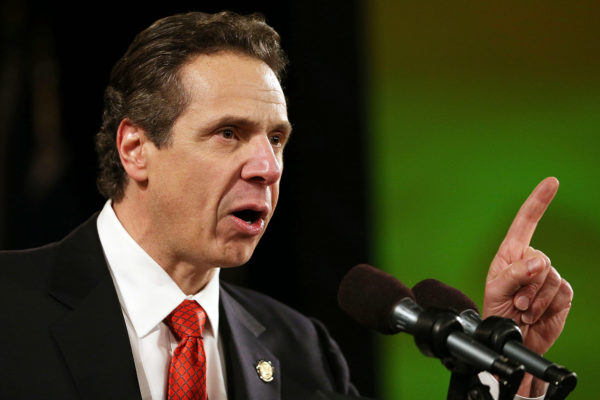
New York State Governor Andrew Cuomo gives his fourth State of the State address on January 8, 2014, in Albany, New York. (Photo: Spencer Platt/Getty Images)
A defining issue of the legalization of weed in N.Y. has been the ability for Black communities to generate revenue from cannabis.
“I haven’t seen anyone do it correctly,” Assemblywoman Crystal Peoples-Stokes, the first black woman to serve as Assembly majority leader, told The Times of legalization. She added that if stipulations ensuring Black people hoping to forge ahead in the marijuana business are not included in the bill, “then it won’t happen.”
Cuomo’s proposal states it will provide a “social and economic equity plan” but it doesn’t specifically outline how much importance would be put on non-white applicants seeking a business license or how much investments would be made in Black communities, which have been disproportionately targeted by police for marijuana violations.
The proposal also says applicants must “already have the land, buildings and equipment needed for their businesses,” which isn’t something Black applicants typically have access to.
“It’s not going to go the way it looks now,” Peoples-Stokes told The Times of Cuomo’s bill being pushed forward. She has introduced one of her own that will funnel half of all marijuana income to a community fund that backs job preparation programs and puts licenses from people who are most targeted by drug laws at the forefront.