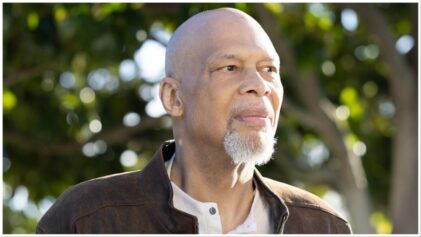
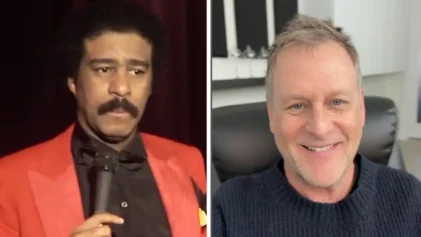
Pam Grier is making the rounds to promote her new streaming service for hundreds of Black films, but the actress is making headlines for dishing on some of her high-profile relationships — especially those with Richard Pryor and Kareem Abdul-Jabbar.
Grier, the star of many hit blaxploitation films in the 1970s, made her way to “Sway In the Morning” Tuesday, Oct. 16 and aside from talking up brownsugar.com, where users can view 200 Black films online or on their phone, she explained why her relationships with the legendary comic and the iconic basketball star fell apart.
On Abdul-Jabaar, whom Grier dated for two years beginning in 1969, the actress said she didn’t want to convert to Islam when he did so during their courtship.
“I would have become a Muslim if Kareem had given me enough time,” she said. “But then when I realized I was going to be so oppressed and I may not get that education and he may back off on the offer, I said, ‘I love me more and I can’t make you that happy so be my friend.’ And we’re still friends to this day.
“We loved Jazz, we loved sports,” she continued, noting she can’t disclose some details of their relationship. “We’re both inquisitive … I just didn’t find Islam was for me. Because it’s not monolithic, it’s conservative, moderate, fundamental and liberal. And I kept asking him ‘What are we going to be?’ And he couldn’t tell me. He said, ‘You ask too many questions.’ What? Excuse me? That’s why you like me. That’s why you love me. I ask questions.’ … If giving up my life to become your wife and live under your star and fame of basketball, who will I be? What will happen?”
As for Pryor, whom Grier had a short relationship with during the mid-1970s, the 69-year-old said she knew “he was gon’ fall.”
“I said, ‘Richard, I’m not a crutch. I can be when you need it but … when are you gon’ to help me?’” she asked when it came to her film career.
She later addressed the comic’s addiction troubles.
“I don’t think he was addicted because he was able to get off everything with me for nine months, cold turkey. So that was some strength,” she said. “You think you have an addictive personality when you’re around certain people. The day he was supposed to go and sign a Columbia picture deal, was the day — that morning we put out his suit, his tie. He was excited. He got his shave. He was ready to be the new Richard Pryor with a deal and hire all these people. I come home, he’s sitting in the kitchen with his friends from Peoria, in his bathrobe. He canceled the meeting because his homies was so strong, so powerful. ‘Come on man, you don’t need that meeting. We came to see you.’ … And I saw that he’d fallen off the wagon. Lot of stuff was on the table.
“And I just said, this could be it,” she said seeing the relationship coming to an end. “Because the producer called me and said ‘Is Richard coming?’ I said, ‘Yup he’s coming. I promise you. He put the suit out. He’s going to make the deal with you. He’s not going to stand you up.’ And he did it. So he did that to me as well. You break that with me, one time, we’re done. I’m like a horse. I’m like an animal. I’ll kick you or turn around and poop on you, something.”
Fans who caught the 30-minute interview soaked up her candidness.
“I could literally listen to this queen speak all day.”
“Love this woman… Queen👸🏾.”
“That was amazing interview you guys! I love this channel!”