BATON ROUGE, La. (AP) — An unlikely, bipartisan coalition is working to win voter support for a proposal ending Louisiana’s Jim Crow-era law that allows split juries to convict people of serious felony crimes, a former district attorney said Monday.
Voters will decide the fate of the constitutional change on the Nov. 6 ballot.
 Currently, serious felony trials in Louisiana, including some murder cases, can be resolved when 10 out of 12 jurors agree on a person’s guilt. Louisiana and Oregon are the only two states that allow non-unanimous verdicts in felony cases. But even Oregon requires a unanimous verdict in murder trials.
Former Grant Parish District Attorney Ed Tarpley said that organizations across the political spectrum, from conservative and religious groups to liberal activists, plan a coordinated effort to pass Louisiana’s unanimous jury provision.
Tarpley, an outspoken backer of the measure during the session, said the groups will finance websites, a digital media campaign and other outreach efforts to educate voters about Constitutional Amendment 2.
“This is an issue that takes a few moments to explain,” Tarpley said at a luncheon speech to the Press Club of Baton Rouge. “The history of this law is really important.”
The constitutional amendment required two-thirds support of lawmakers to reach the November ballot. When Sen. J.P. Morrell, a New Orleans Democrat, first proposed the idea, passage during the regular legislative session was seen as a long-shot.
But the legislation became the surprise measure of the session, reaching a public vote with widespread support from Democrats and Republicans, picking up steam each step of the process.
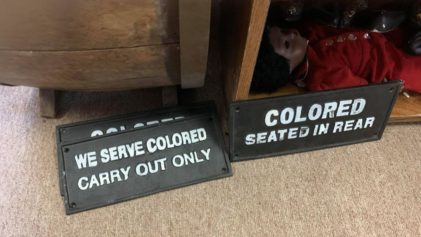
Tarpley credited work done to highlight the split-jury policy’s enactment in 1880 as part of efforts to maintain white supremacy after the Civil War, by making it easier to convict non-white defendants. Before 1880, Louisiana required unanimous jury verdicts, Tarpley said.
“Once you know the history of this law, then you have to vote to repeal it,” he said. “This is something that is a stain on the legacy of our state.”
During debate, the proposal faced opposition from some district attorneys who argued the difficulty to get all 12 jurors to agree on a conviction and said no data showed the current split-jury system results in injustice.
Since the measure reached the ballot, however, no organized public opposition has emerged to work against passage. Tarpley said he doesn’t know of any such campaign so far.
If passed by voters, a unanimous, 12-person jury decision would be required to convict anyone for a felony offense committed on or after Jan. 1.