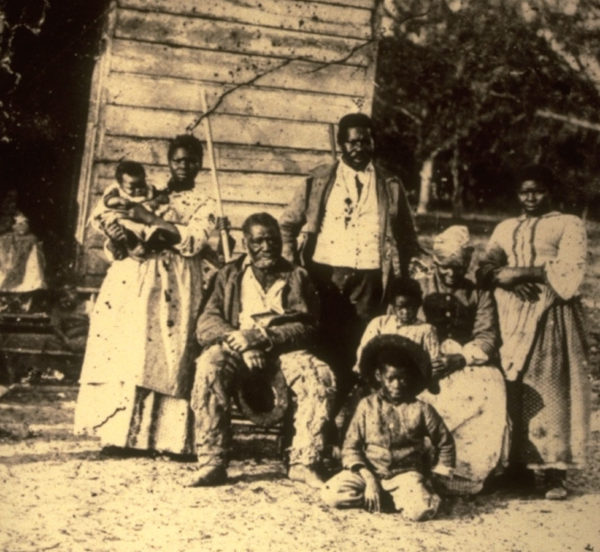
slave family
CHARLESTON, S.C. (AP) — The South Carolina city where almost half of all the enslaved Africans brought to the United States first set foot on American soil is ready to apologize for its role in the slave trade.
The resolution expected to be passed by the Charleston City Council on Tuesday offers a denouncement of slavery, a promise of tolerance in the future and a proposal for an office of racial reconciliation. The vote will be full of symbolism when it is taken by a majority-white council that meets in a City Hall built by slaves. It will happen less than a mile (1.5 kilometers) from the old wharf where slave ships unloaded — soon to be the site of a $75 million African-American history museum.
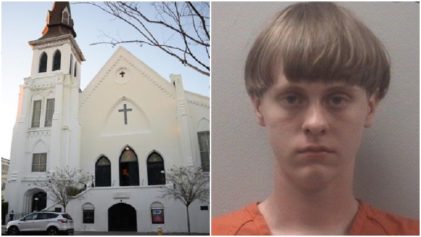
Tuesday is also “Juneteenth,” a celebration of the end of slavery and just two days after the third anniversary of the racist attack by a white man that killed nine black church members at Emanuel AME church — a target picked in part by Dylann Roof because of its long history. In the 1800s, the church was closed after Charleston’s white leaders thought church leaders had fostered a slave revolt. Church members were forced to worship in secret as a result.
“We hereby denounce and apologize for the wrongs committed against African Americans by the institution of slavery and Jim Crow, with sincerest sympathies and regrets for the deprivation of life, human dignity and constitutional protections occasioned as a result thereof,” the resolution reads.
Charleston Council member William Dudley Gregorie insists the resolution will be more than just a soon-forgotten vote. He promises the city will support ongoing education about how slaves contributed to all parts of Charleston.
A centerpiece of that effort is the International African American Museum . Organizers, including former Charleston Mayor Joe Riley, are trying to raise the millions of additional dollars they will need to break ground this summer and open the museum in 2020. It will be located on the site of the old wharf where slave ships unloaded.
The museum will tell the story of African-Americans in the U.S. from slavery to today. It also will include genealogy resources to help families trace their roots.